Tiruvannamalai Deepam, Watched From Far Away
Tiruvannamalai Deepam, watched from far away: an NRI reflection on the Arunachala beacon, livestreams at odd US hours, and lighting one lamp to join in.
· 4 min read
In short
The Tiruvannamalai Deepam is a great beacon lit atop Arunachala hill at dusk on Karthigai Deepam, honouring Shiva as the endless column of fire.
From the US, that dusk in India usually falls in your early morning; lighting a lamp as the livestream shows the flame is a simple way to join.
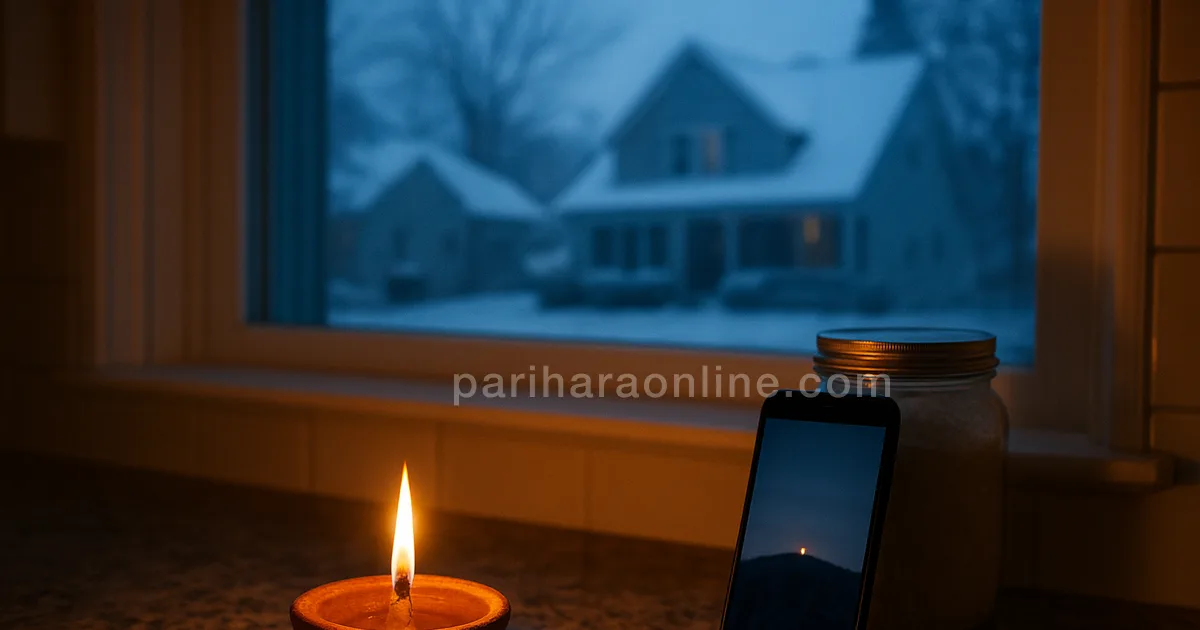
A phone propped against the sugar jar at half past seven in the morning in New Jersey. A livestream from Tamil Nadu, grainy, full of crowd noise. My mother on the other line, watching the same stream in Chennai, saying "there, there, it's lit." That is how I keep the Tiruvannamalai Deepam now: the great beacon lit on the summit of Arunachala hill at dusk on Karthigai Deepam, seen from the other side of the world. You cannot be there. But you can be present at the moment it is lit, and that turns out to matter more than I expected.
What is the Tiruvannamalai Deepam?
Tiruvannamalai is a temple town in Tamil Nadu at the foot of Arunachala, a hill that the tradition treats not as the home of Shiva but as Shiva himself. The Shiva Purana tells of a pillar of fire without beginning or end that appeared before Brahma and Vishnu; Tiruvannamalai says that fire cooled into this mountain. The story, and what it means, is told in the significance of Karthigai Deepam.
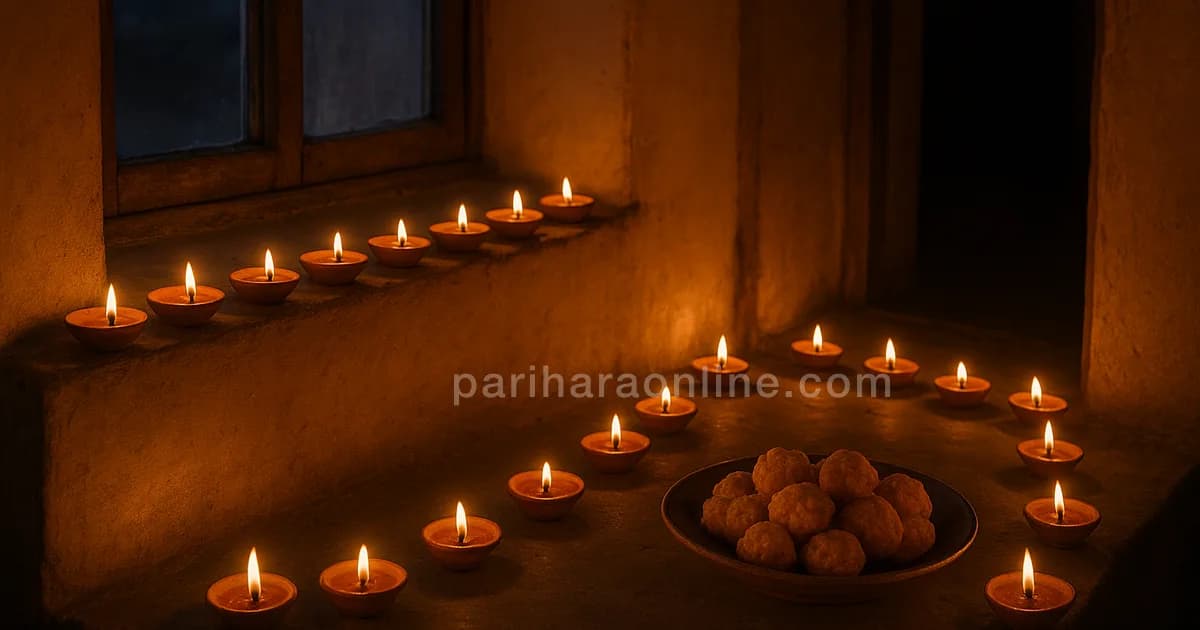
On the festival day, two lamps frame the story. Before dawn, inside the great Annamalaiyar temple, five lamps are lit and merged into one: the Bharani Deepam. At dusk, as the full moon of Karthigai rises, the Maha Deepam is lit on the summit, a vast cauldron of ghee with a wick of cloth, and it burns for days. Hundreds of thousands of people in the town look up at the same moment and shout "Annamalaiyarukku arohara", a cry of praise to the Lord of the hill.
Watching from another time zone
Dusk in India is morning in America. In November or December the gap from the East Coast is about ten and a half hours, so a beacon lit around six in the evening in India reaches a kitchen in New Jersey at breakfast, and a West Coast apartment before dawn. Check the current year's panchangam for the date, and the temple's own announcements for the time.
It is an odd intimacy, a festival on a small screen. The stream buffers. Someone's head is in the way. You are holding a coffee and thinking about a meeting at nine. And then the flame catches on the hilltop, a tiny orange point in a sea of phones and raised hands, and for a moment the kitchen is very quiet.
My son used to find it boring. The first year he watched, he asked why everyone was shouting at a mountain. The second year, he asked whether he could light the lamp in our kitchen at the same moment. That, I think, is how the tradition travels. Many of us already do this for other occasions; joining a puja across time zones describes the same odd, real presence.
Can you take part without being there?
Ramana Maharshi, who lived on that hill for most of his life, opens his Aksharamanamalai, the garland of letters he wrote to Arunachala, with a line that has stayed with me: those who think of Arunachala in their heart, you root out their ego. It says nothing about travelling there. It says think of it, in your heart.
So here is what I do. I light a lamp in the kitchen at the moment the beacon is lit, and I say "Annamalaiyarukku arohara" quietly, feeling slightly foolish. Pilgrims in Tiruvannamalai walk giri valam, the barefoot circuit around the base of the hill. I cannot do that from New Jersey, so I walk around the block before work, slowly, thinking of the hill. It is not the same. It is not meant to be. It is what I can do. For the fuller evening at home, with rows of clay lamps, see Karthigai Deepam at home; for why a small flame carries this weight at all, why Hindus light lamps.
One small thing to carry into the week
Find out when the beacon will be lit on the hill in India, work out what time that is where you live, and set an alarm. When it rings, stop whatever you are doing and light one lamp in your kitchen, even if it is a tea-light on the counter. Call someone who is watching too. Say nothing for a minute. Then go on with your morning.
Questions people ask
What time is the Tiruvannamalai Deepam lit, and can I watch it live from the US?
The Maha Deepam is lit on the summit of Arunachala around sunset in India, roughly six in the evening IST, on Karthigai Deepam day. On the US East Coast that is usually early morning, and on the West Coast late the previous night. Many channels livestream it; check the current year's panchangam and the temple's announcements for exact timing.
What is the difference between Bharani Deepam and Maha Deepam?
Bharani Deepam is lit before dawn inside the Arunachaleswarar temple, when five lamps are lit from one flame and later merged back, symbolising the many arising from the one. Maha Deepam is lit at dusk on the hilltop in a huge cauldron of ghee and can be seen for miles. Together they frame the festival day.
How can I celebrate Karthigai Deepam in the USA?
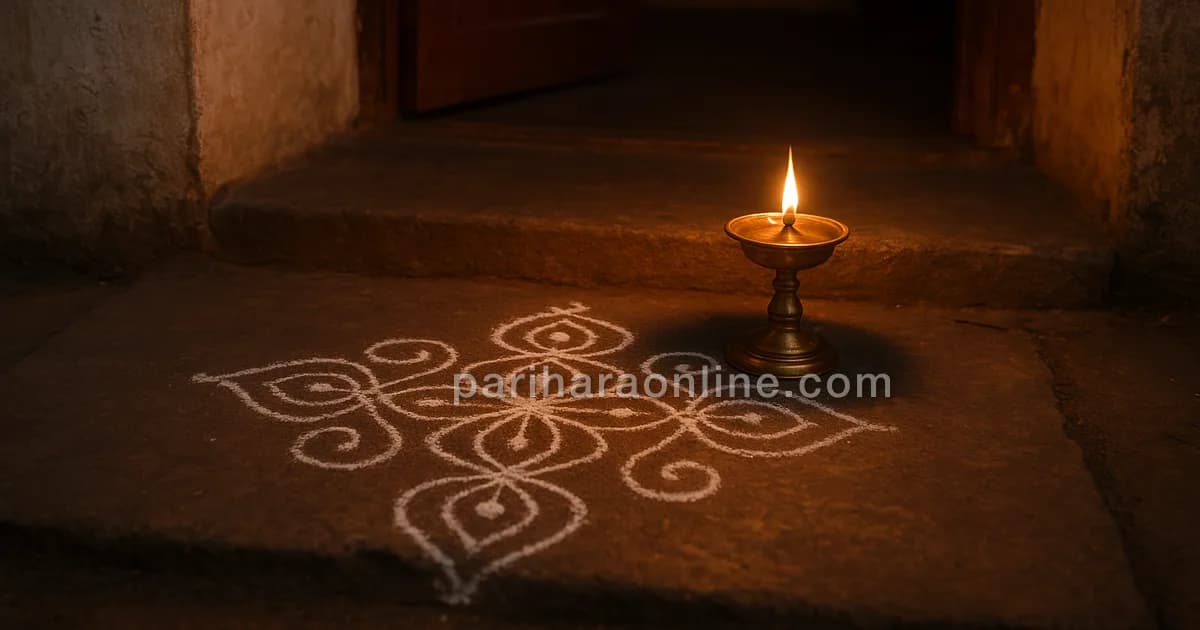
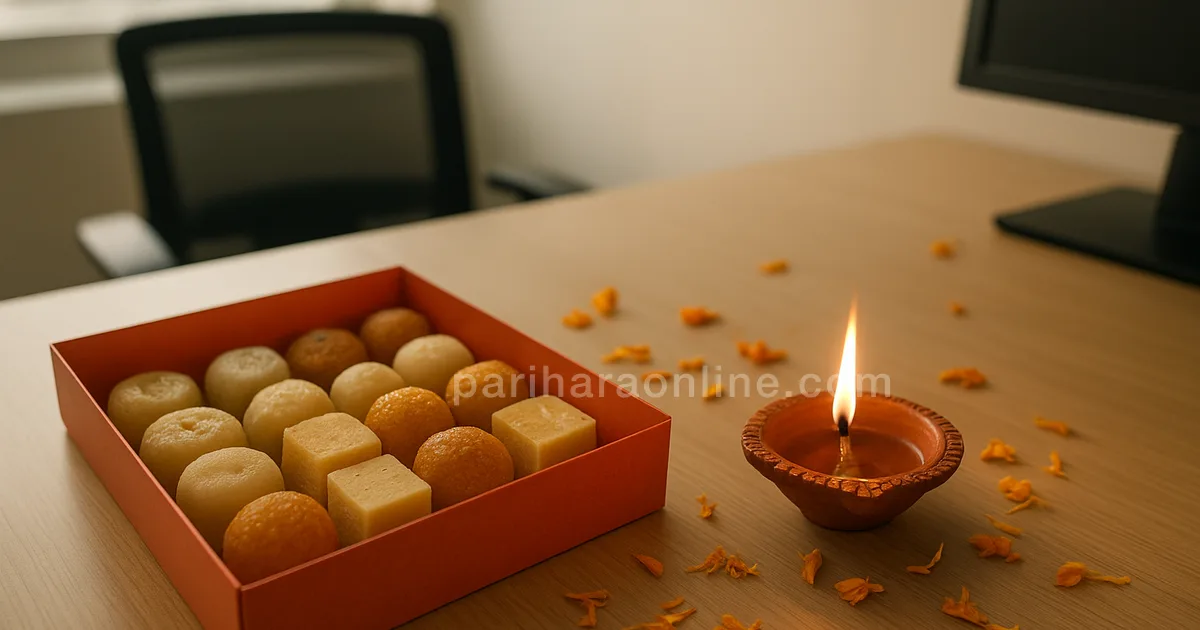
Light clay lamps or tea lights at your door and windows at dusk on the day, draw a small kolam, and offer pori or any simple sweet. If you can, light one lamp at the moment the Maha Deepam is lit in Tiruvannamalai while watching the livestream. Local Hindu temples in larger US cities often hold their own Deepam.
Enjoying this?
To get more Karthigai Deepam posts like this, subscribe for free.
Written by
The Sunday column: festivals and rituals meeting ordinary weeks
Manikandan writes the Sunday column, where festivals and rituals meet commutes, hospital corridors and video calls with parents far away. Each piece closes with one small thing to carry into the week ahead.