Andal: The Girl Who Wore the Garland First
The Andal story: the girl found under a tulsi plant in Srivilliputhur who wore the Lord's garland first, sang the Tiruppavai, and chose her own devotion.
· 4 min read
In short
Andal was found as a baby under a tulsi plant in Srivilliputhur by Periyalvar and grew up to become the only woman among the twelve Alvar saints.
She secretly wore the garlands meant for the Lord, and tradition says he preferred them that way, earning her the name Soodi Kodutha Sudar Kodi.
Her Tiruppavai and Nachiyar Tirumozhi are still sung, and her story honours devotion that chooses for itself.
A girl tried on the garland meant for God, looked at her reflection, and put it back. Her father was horrified. The Lord, the story says, wanted no other garland. The Andal story comes from Srivilliputhur in Tamil Nadu: a foundling named Kodhai, raised by a temple priest, who wore the flowers before offering them and became the only woman among the twelve Alvars, the poet-saints of Vishnu. Her songs, the Tiruppavai among them, are still sung every winter dawn.
The Andal story from Srivilliputhur
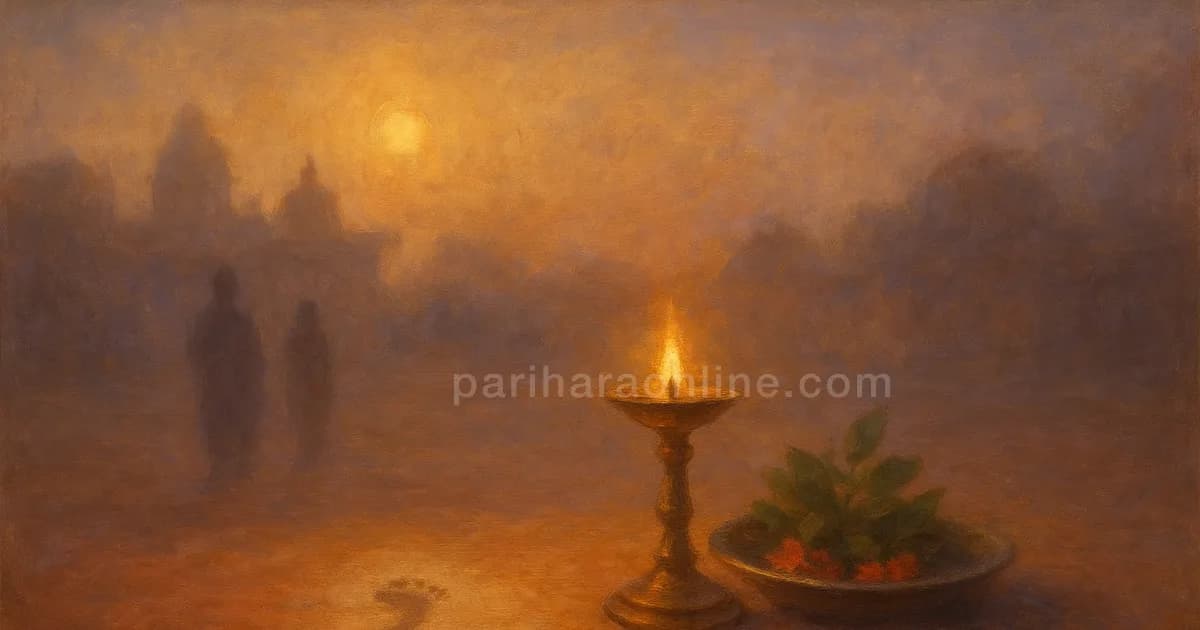
Periyalvar, also called Vishnuchittar, was a devotee who spent his days making garlands for the temple of Vishnu at Srivilliputhur. One morning, the story goes, he found a baby girl lying under a tulsi plant in his garden. He took her in and named her Kodhai.
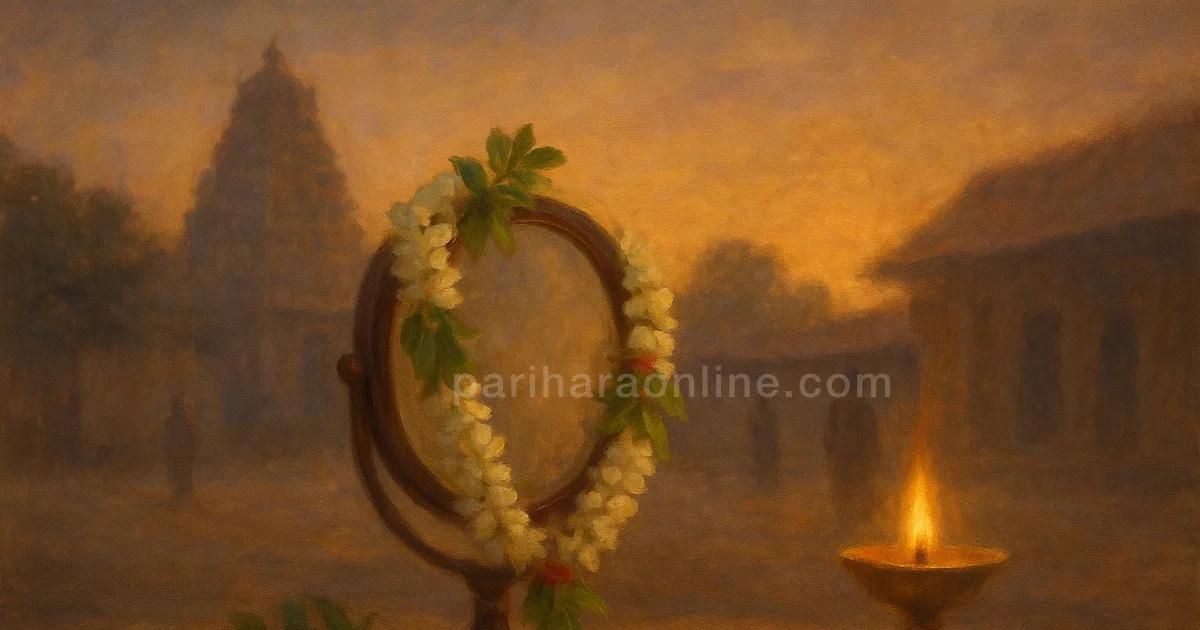
She grew up among flowers and hymns. Her father told her stories of Krishna, and she fell in love with him, not as an idea but as a person she intended to marry. Every day Periyalvar strung a garland for the Lord, and every day, when he was not looking, Kodhai put it on first. She stood before a mirror, or in some tellings a well, and asked herself whether she was beautiful enough to be the Lord's bride. Then she put the garland back in its basket.
One day her father found a long strand of hair in the garland. He understood what had been happening and was appalled. A garland worn by a person was unfit for God. He scolded her, threw the flowers away and made a fresh one.
What does soodi kodutha sudar kodi mean?
That night, the Lord appeared to Periyalvar in a dream. Why had he not brought the usual garland, he asked. He wanted the one Kodhai had worn. Nothing else would do.
From then on Kodhai was called Andal, she who rules, even the Lord. She also got a Tamil title that devotees still use: soodi kodutha sudar kodi. It means the shining creeper who gave what she had worn. A creeper, because she wound herself around the Lord the way a vine climbs a pillar. Shining, because her love was bright enough for everyone to see.
The story says a garland worn by a girl became purer than a fresh one. The story is really about which offering counts. Periyalvar followed the rules, and the rules were right in their own terms: you do not offer God your leftovers. But Andal's garland was not a leftover. It carried her. What the Lord wanted, the dream insists, was not a correct object but a person inside the offering.
The garland story is re-enacted to this day. At Srivilliputhur her garland is sent to the great temple at Tirupati for a festival, and to other shrines of the Lord on special days.
Why does Andal still matter?
Andal wrote two works. The Tiruppavai is thirty verses in which a group of girls wake one another before dawn in the month of Margazhi and go together to wake Krishna; the verses are unpacked in the meaning of the Tiruppavai, and the month itself in why Margazhi is special. The Nachiyar Tirumozhi is more intimate, a young woman's longing and her dream of the wedding, verses that still surprise first-time readers with their frankness.
According to Srivilliputhur's temple tradition, she was eventually taken to Srirangam in bridal procession, where she entered the shrine of Ranganatha and merged with the Lord. Her temple at Srivilliputhur, with its tall tower, remains one of the best loved in Tamil country, and the month of Aadi marks her birth star, Pooram, with festivals.
She matters for another reason too. Andal did not wait to be permitted. She did not wait for a priest to approve her devotion, or for her father to arrange her marriage to God. She decided, wore the garland and wrote the songs. Parvati made a similar choice on her mountain, as the story of Swayamvara Parvathi tells.
Offering what is yours
Most of us approach worship like Periyalvar. We try to do it properly: the right flowers, the right sequence, the right words, even if the words are in a language we do not quite follow. There is nothing wrong with that. Care is itself a form of love.
But the Andal story leaves room for something else. Offer something today that is unmistakably yours. A song you actually know, even if it is not a hymn. A flower you actually chose from the garden, not the one the list requires. A few words in your own language. The correct thing done at a distance is good. The story suggests the Lord may be waiting for the thing you have held first.
Questions people ask
What is the Andal garland story?
As a girl, Andal strung garlands for the temple at Srivilliputhur and secretly wore each one before her father, Periyalvar, took it to the shrine. When he discovered this, he was distressed and offered a fresh garland instead. That night, tradition says, the Lord appeared in his dream and asked for the garland Andal had worn.
What does soodi kodutha sudar kodi mean?
It is a Tamil title for Andal meaning the radiant creeper who gave the garland after wearing it. Soodi means having worn, kodutha means gave, and sudar kodi means shining vine. The name celebrates the story in which the garland she wore first became the offering the Lord preferred, turning a transgression into grace.
What is the history of Srivilliputhur Andal temple?
Srivilliputhur in southern Tamil Nadu is traditionally honoured as Andal's birthplace, where Periyalvar found her beneath a tulsi plant. The temple there is dedicated to her with Rangamannar, and its tall tower is a well-known landmark. Devotees associate the town with her Tiruppavai, which is recited widely during the month of Margazhi.
Enjoying this?
To get more Goddess posts like this, subscribe for free.
Written by
Reads the old stories for what they still mean
Hariharan writes about the myths, symbols and festival stories that most of us grew up hearing but were rarely asked to think about. He tells the story first, then asks what it is really about, and leaves the conclusion to you.