Shravana Nakshatra (Thiruvonam): The Listener's Star
Shravana nakshatra, Thiruvonam in Tamil: Vishnu and Chandra, the ear and three footprints, Vamana's three steps, and the Thirupparkadal temple for it.
· 4 min read
In short
Shravana, Thiruvonam in Tamil, is presided over by Vishnu with Chandra as its ruling planet; its symbols are an ear and three footprints.
The star recalls Vamana's three steps from the Bhagavata Purana, and many traditions honour it as Venkateswara's star.
The Prasanna Venkatesa Perumal temple at Thirupparkadal is traditionally associated with Shravana nakshatra.
A dwarf asked a king for three steps of land and walked away with the universe. The star that remembers him is called Shravana, which means "hearing", and the story is really about listening before you promise. Shravana nakshatra, known in Tamil as Thiruvonam, is the twenty-second of the twenty-seven birth stars, presided over by Vishnu. It is a star about ears as much as feet.
Shravana nakshatra: Vishnu, the Moon and three footprints
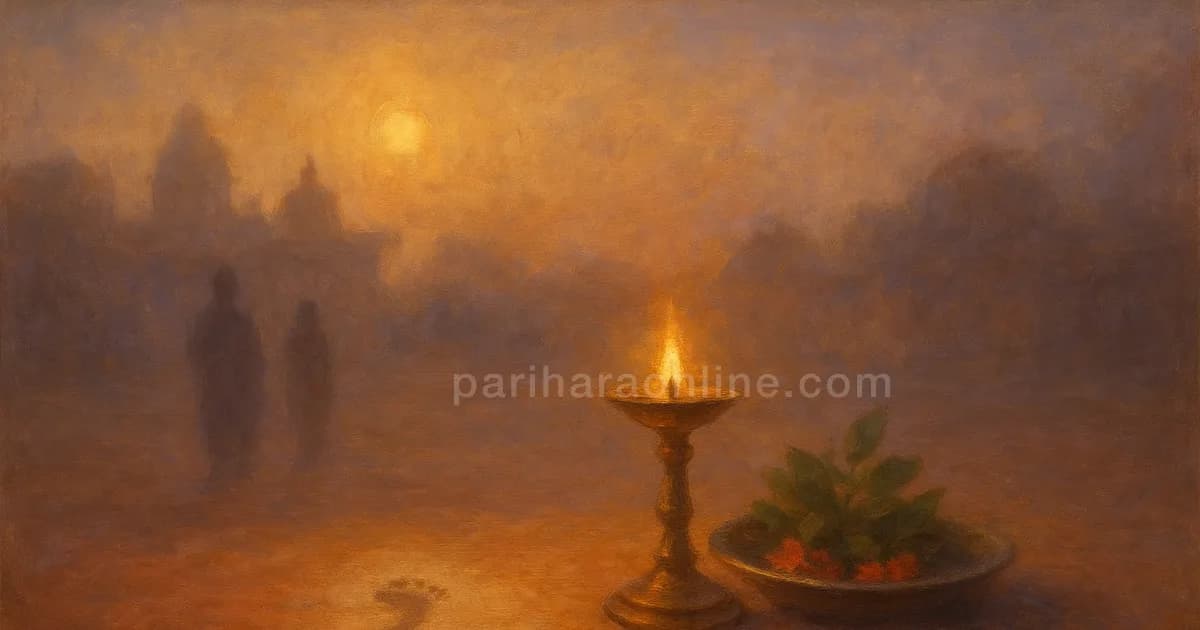
The Moon passes through twenty-seven nakshatras, star groups, on its monthly round, and whichever one it stood in when you were born is your birth star. Shravana nakshatra has Vishnu as its presiding deity and Chandra, the Moon, as its adhipati, or ruling planet, and it lies wholly in Makara rasi. It carries two symbols that seem to have nothing to do with each other: an ear, and three footprints.
Tradition describes Thiruvonam-born people as good listeners, learned, devoted and widely respected, the sort of person relatives phone when they need advice. Stars in this tradition describe a temperament to work with, never a sentence to serve. The ear and the footprints, though, are worth staying with, because together they tell one story.
What did Mahabali fail to hear?
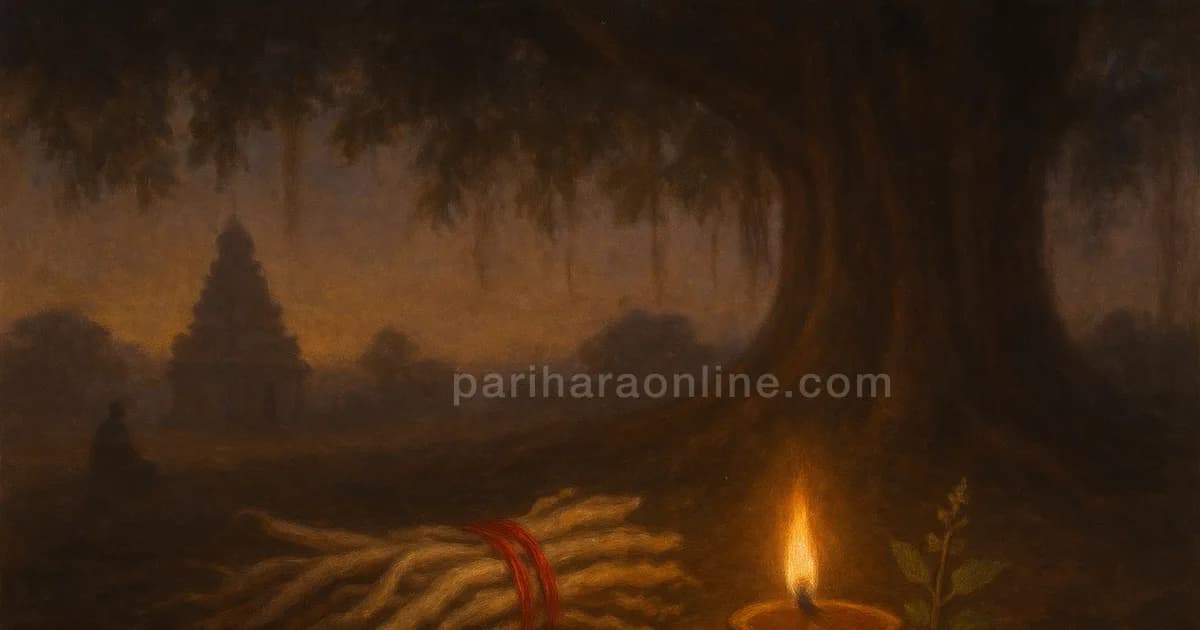
The whole story belongs to Vamana's three steps; the part that matters for this star is one moment in the middle of it. When the dwarf asked the generous king Mahabali for three paces of land, Shukracharya, the king's teacher, recognised Vishnu in the boy and warned him not to agree. Mahabali heard the words and did not hear the warning. He had already promised the world that no one would leave his sacrifice empty-handed, and he poured the water that sealed the gift.
The story says a god tricked a king. It is really about two kinds of hearing, and about how easily one drowns out the other. Mahabali heard the request with his generosity and missed the warning with his pride. The star named "hearing" carries the footprints so that we do not forget which kind we were practising.
Kerala, interestingly, remembers the king rather than the god. Onam falls on Thiruvonam in the month of Chingam, the day Mahabali is said to come back and visit his people, and what Onam and Mahabali mean is a story told from his side of the bargain. In many traditions Shravana is also the star of Venkateswara at Tirumala, which is why so many Vaishnava families treat Thiruvonam as a monthly day for the Lord of the Seven Hills; the story of Tirupati Balaji explains how he came to live on that hill, and why he is still said to be paying off a loan.
Thirupparkadal and the Thiruvonam fast
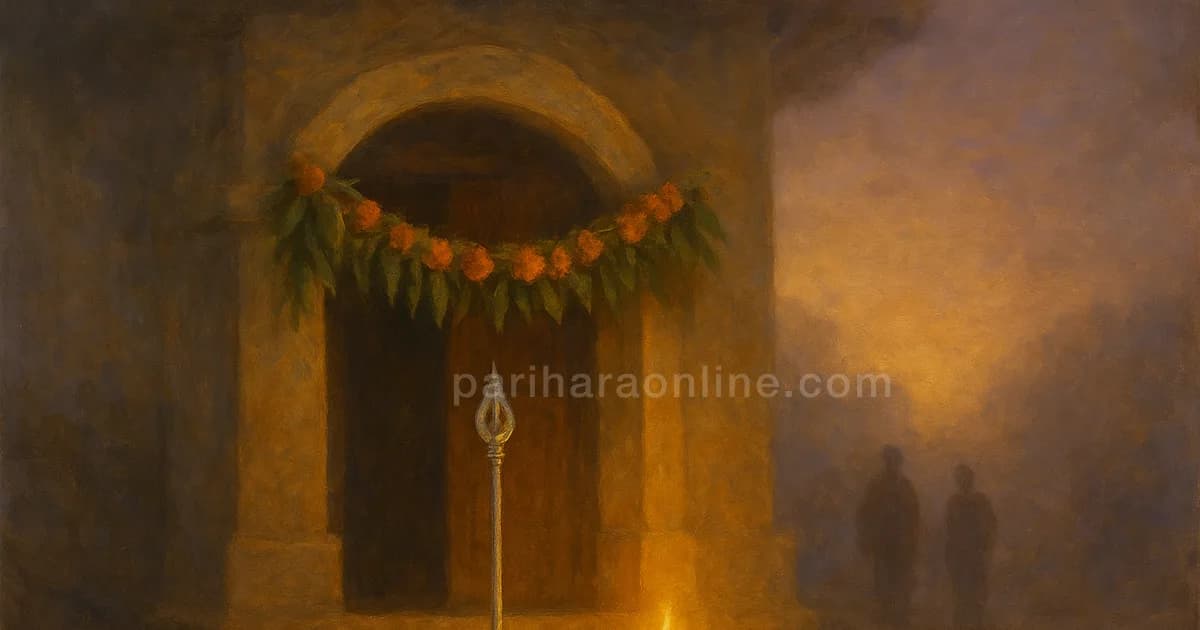
The widely shared Tamil star list gives Shravana nakshatra a temple of its own: the Prasanna Venkatesa Perumal temple at Thirupparkadal, near Kaveripakkam in Tamil Nadu. The village name itself means "ocean of milk", the cosmic ocean on which Vishnu rests.
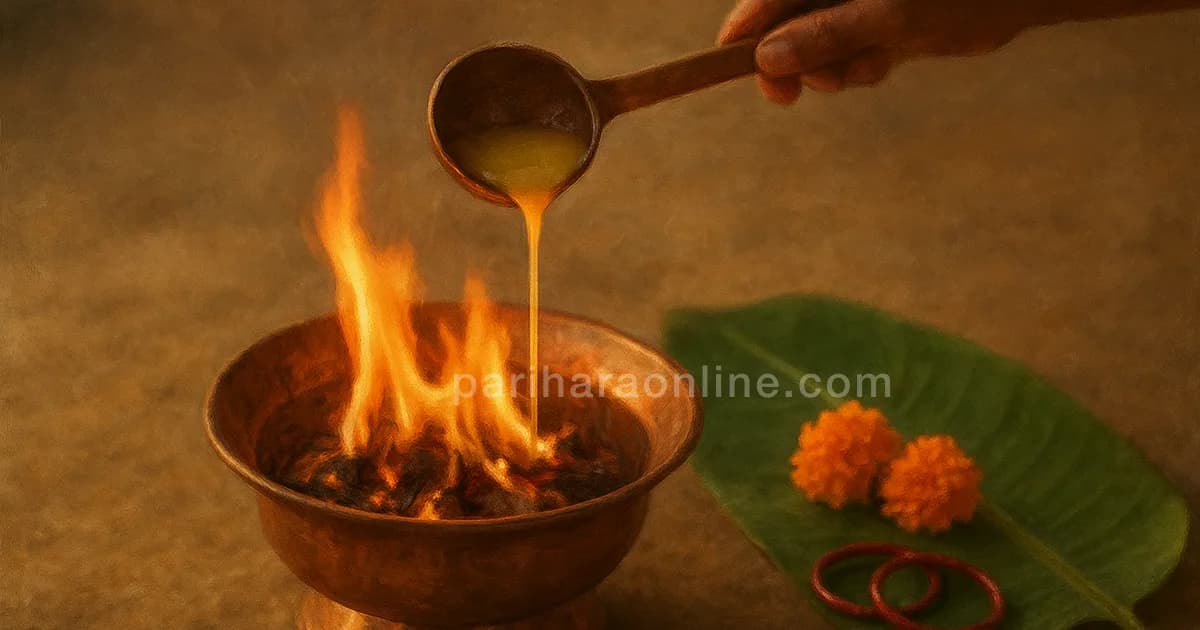
On Thiruvonam each month, many Vaishnava homes keep a light fast, eating once or eating only simple food, and recite the Vishnu Sahasranamam, the thousand names. If a thousand names feels like too many, a few names said slowly will do; the beginner's guide to the Vishnu Sahasranamam suggests an easy way in. The Thiruvonam of your birth month is your star birthday, and for a Shravana person it makes sense to keep it as a day of listening: fewer words, more attention to what is said.
Hearing both voices
Grandmothers liked to say that God gave us two ears and one mouth for a reason. Shravana would add a footnote: the two ears are not for the same thing. One is for the request; the other is for the warning.
On your Shravana day, try listening for one hour without planning your reply. Let people finish. Notice how often the most important sentence comes last. The star that follows, Dhanishta, the drum, is about rhythm; Shravana is about the silence between the beats. The king in the story heard the request but not the warning; the star asks us to hear both.
Questions people ask
Which temple is the Thiruvonam nakshatra temple?
The widely cited Tamil list of nakshatra temples names the Prasanna Venkatesa Perumal temple at Thirupparkadal, near Kaveripakkam in Ranipet district, as the Thiruvonam nakshatra temple. Thiruvonam-born devotees often visit on their monthly star day, or arrange archana there from afar. Many also keep a special bond with Tirumala, since Shravana is widely honoured as Venkateswara's star.
Why is Vishnu the lord of Shravana nakshatra?
Shravana's presiding deity is Vishnu, and its symbol of three footprints recalls Vamana, the avatar who measured the worlds in three strides. This link makes the star especially dear to Vaishnavas, who often fast, chant Vishnu's names or visit Perumal temples on the monthly Thiruvonam day. Chandra, the Moon, is its ruling planet.
What are Thiruvonam star characteristics?
Tradition describes Thiruvonam-born people as attentive listeners, eager learners, devout, well-spoken and respected in their community, with sensitivity to criticism as a possible shadow. The ear symbol sums it up. These Thiruvonam star characteristics are tradition's portrait of the star, not fixed traits; the full chart and a person's own choices matter far more.
Enjoying this?
To get more Nakshatra posts like this, subscribe for free.
Written by
Reads the old stories for what they still mean
Hariharan writes about the myths, symbols and festival stories that most of us grew up hearing but were rarely asked to think about. He tells the story first, then asks what it is really about, and leaves the conclusion to you.