Prayer Before Exams: A Calm Ritual for Students
A pooja for exam success that actually calms you: a five-minute ritual with a lamp, breath and a Saraswati mantra to steady attention before studying or a test.
· 4 min read

In short
A short pre-study ritual, a lamp, three slow breaths and a Saraswati or Hayagriva mantra, can help settle a scattered mind before exams.
Many students find that repeating the same small ritual each day turns it into a cue for focus; prayer supports preparation, it does not replace it.
Sleep, water and a phone left in another room matter as much as any mantra; tradition always treated the body as the instrument of study.
The night before an exam, the problem is rarely what you know. It is where your attention keeps running: to the chapter you skipped, to your friend who seems calmer, to what your parents will say. A short prayer before exams gives that attention somewhere to land. Five minutes, a lamp, three slow breaths and a Saraswati or Hayagriva mantra, done the same way each day, can settle a scattered mind before you study or walk into the hall. It will not write the paper for you. It can help you sit down to it.
A five-minute prayer before exams
Here is a simple sequence. Do it at your desk or in front of the family altar.
- Wash your face and hands. Cold water, if you can. The body registers a change of state.
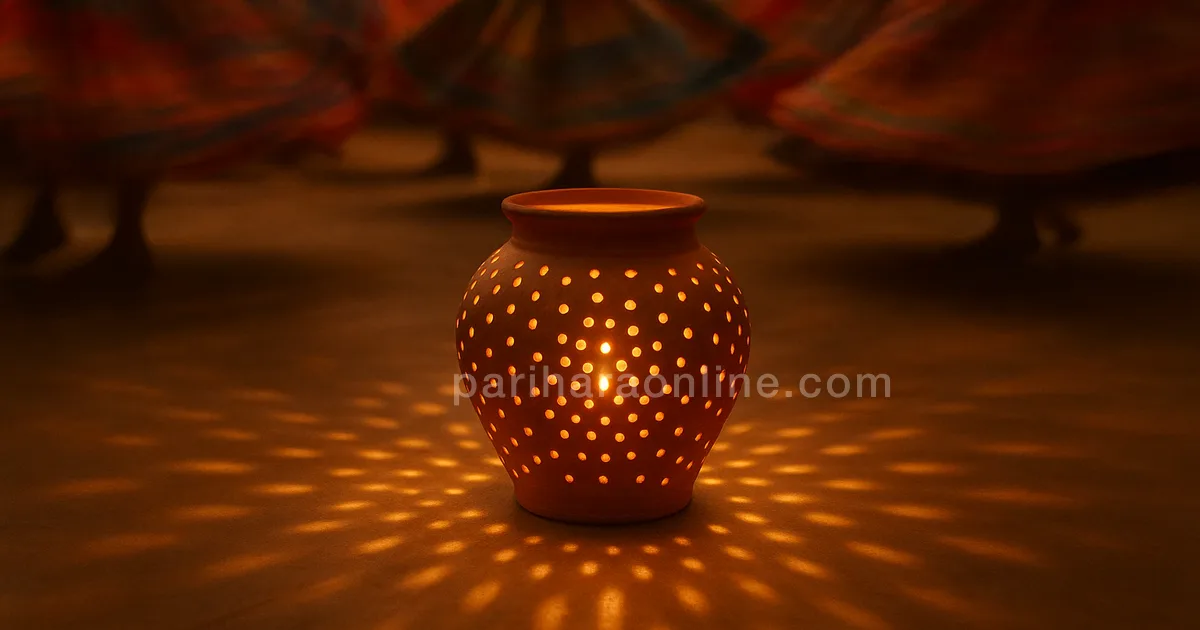
- Light a lamp. A small ghee or oil lamp, or a tea-light. Place it where you can see it without turning your head.
- Three slow breaths. In through the nose, a little longer out. Let the shoulders drop on each exhale.
- Chant. Choose one: the Saraswati mantra for students, "Om Aim Saraswatyai Namah", or the Hayagriva mantra for exams, which begins "Jnanandamayam devam", saluting the form of Vishnu associated with clear memory. Chant eleven or twenty-one times, slowly. If you are unsure how to begin chanting, this guide to chanting for beginners helps.
- Place your pen and books before the lamp for a moment, then pick them up and begin.
Saraswati is the goddess of learning and speech; Hayagriva is the horse-headed Vishnu who, in the Puranas, rescued the stolen Vedas. If you want the stories behind them, read about Saraswati and Hayagriva, the deities of learning.
Does praying before an exam actually help?
Honestly, it depends on what you expect. If you expect the prayer to change the questions, no ritual can promise that. If you expect it to change how you meet the questions, many students find that it does.
Here is why. The mind learns by association. An athlete who does the same warm-up before every match is telling the body, "now we play." A prayer before exam for concentration works in a similar way. When you light the same lamp, take the same breaths and chant the same sound every time you sit down to study, the mind starts to recognise the sequence as a cue. After a week or so, many people notice they settle faster. Nerves still come, but they come to a steadier place.
What prayer cannot replace is the studying itself. Tradition never claimed it could. Saraswati holds a book in her hand, not a shortcut.
The body before the brain
The mind you bring to an exam lives inside a body. If the body is exhausted, dehydrated and full of sugar and caffeine, no mantra will make up for it.
- Sleep. Memory consolidates during sleep. An all-nighter trades tomorrow's recall for tonight's panic.
- Water. Keep a glass on the desk and drink from it each time you finish a section.
- Light meals. A heavy lunch before an afternoon exam makes the eyelids drop.
- The phone in another room. Not face down. Another room. Every buzz breaks the thread.
The tradition understood this well. Students were encouraged to study in the early morning, in the hours before dawn, when the house is quiet and the mind has not yet filled up with the day. If you want to try it, waking early in brahma muhurta explains how to ease into it without wrecking your sleep.
Try this for the whole week
Do not wait for the morning of the exam. Start seven days before, and do the same five-minute ritual every time you sit down to study. Same lamp, same breaths, same mantra, same order.
Notice what changes. How long does it take you to start working after you sit down? How often do you reach for the phone? How do you feel walking into the hall? And if a parent is lighting a lamp for you at home, you might find how parents can pray for a child's exam worth sharing with them.
Questions people ask
Which mantra should students chant before an exam?
Two traditional choices are the Saraswati mantra 'Om Aim Saraswatyai Namah' and the Hayagriva shloka that begins 'Jnanandamayam devam', both associated with learning and clear memory. Chant slowly, eleven or twenty-one times, in front of a lamp. What matters most is steady attention on the sound rather than the number of repetitions.
Does praying before an exam help with concentration?
Many students find that a short, repeated ritual calms nerves and signals to the mind that it is time to focus, much like an athlete's warm-up. Prayer is not a substitute for study, and no ritual can promise a result, but a settled mind usually recalls what it has learned more easily.
Can parents do a pooja for their child's exams?
Yes. Parents often light a lamp and pray to Saraswati or Hayagriva on their child's behalf, and some book a Saraswati or Hayagreeva homam before a major exam. It helps to involve the child, even for a minute, so the ritual feels like support and a moment of calm rather than added pressure.
Enjoying this?
To get more Exams posts like this, subscribe for free.
Written by
Writes about practice: attention, breath, the body, the lamp
Archana writes about ritual as something you do rather than something you believe: the lamp, the breath, the fast, the few quiet minutes before the day begins. Her pieces usually end with a small practice to try for a week and notice what changes.