Bhai Dooj meaning, told through the story of Yama visiting his sister Yamuna: why sisters apply tilak, pray for a brother's long life and share a meal.
Makar Sankranti meaning for body and mind: the sun's turn north, why sesame and jaggery are eaten in winter, kites, early baths, and one practice to try.
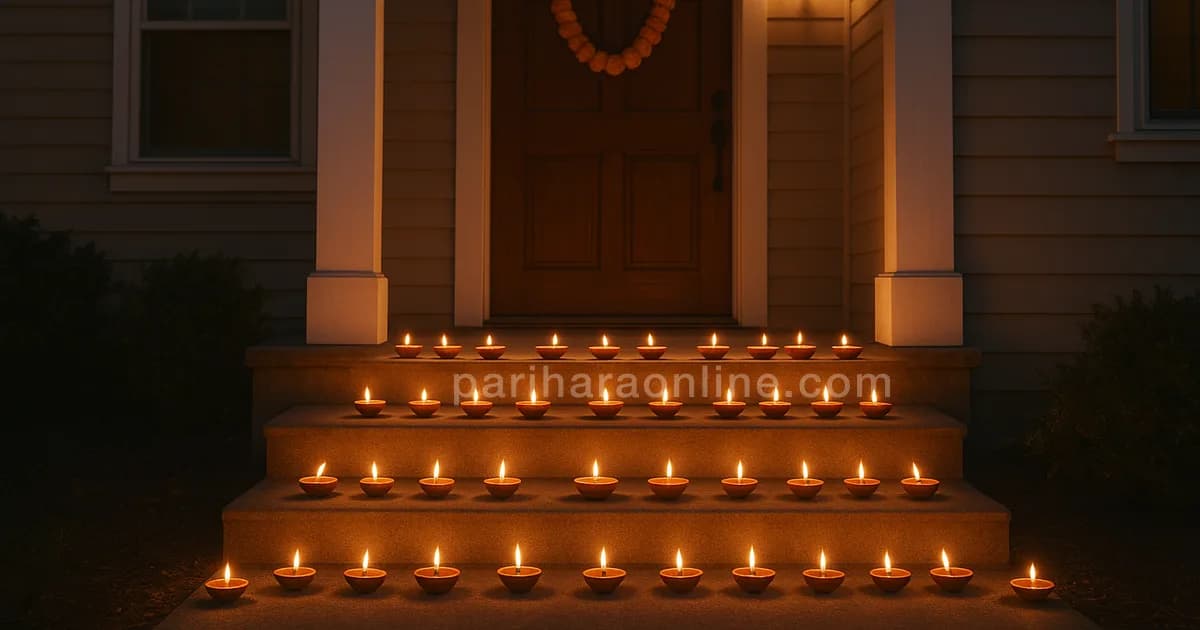
Tiruvannamalai Deepam, watched from far away: an NRI reflection on the Arunachala beacon, livestreams at odd US hours, and lighting one lamp to join in.
Ekadashi fasting rules for beginners: what to eat and avoid, how strict to be, how to break the fast, and how to adapt the tradition to your health and routine.
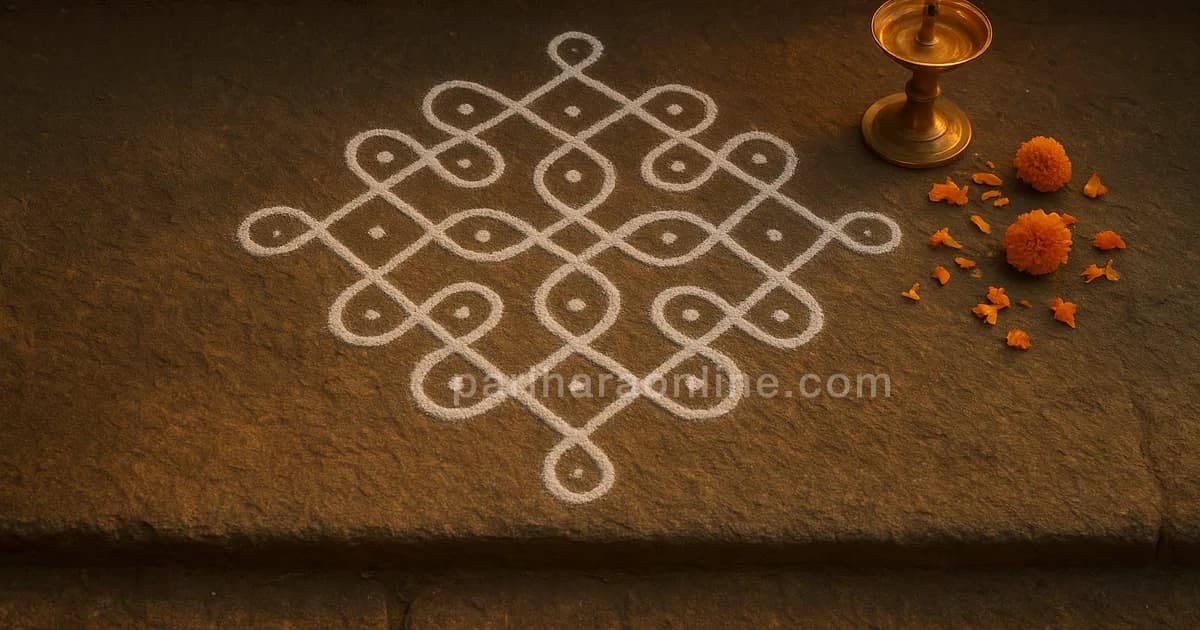
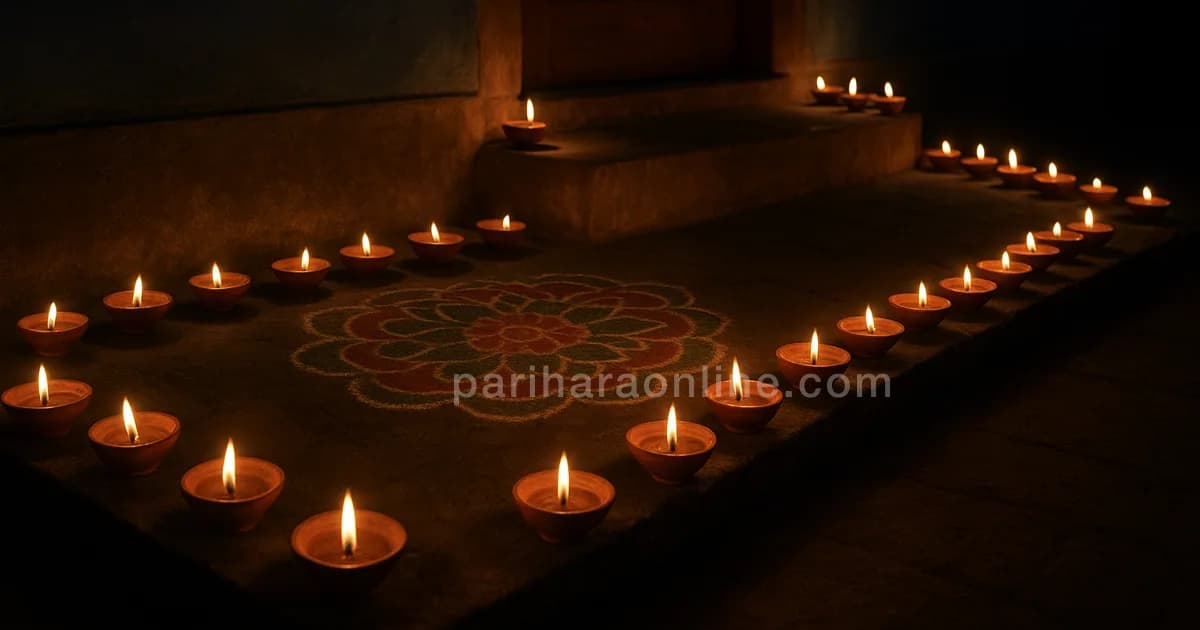
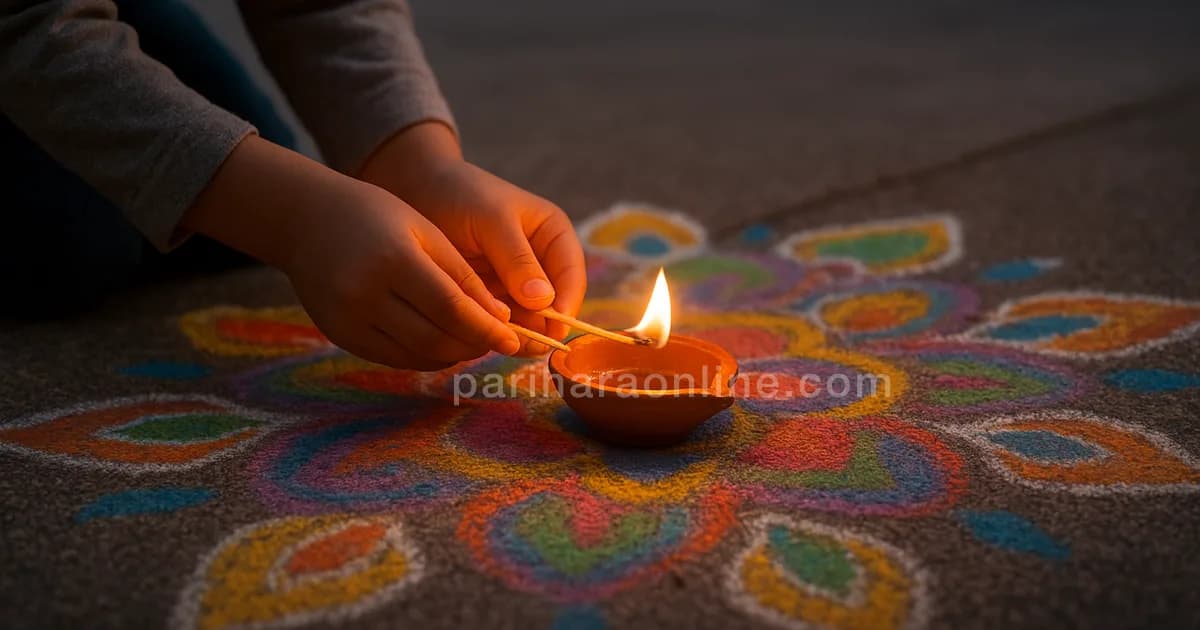
Rangoli meaning goes beyond decoration: why South Indian homes draw kolam at the doorstep each dawn, why rice flour feeds ants, and what the lines are about.
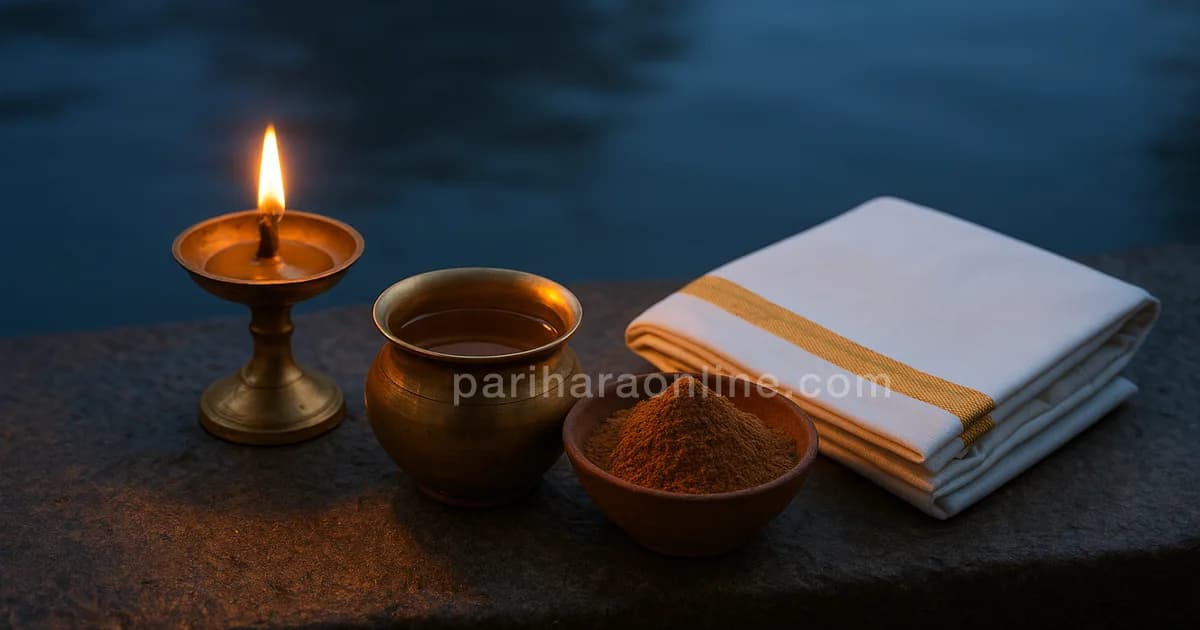
Naraka Chaturdashi and the Deepavali oil bath: the Narakasura story, why Tamil families rise before dawn for Ganga snanam, and keeping it far from home.
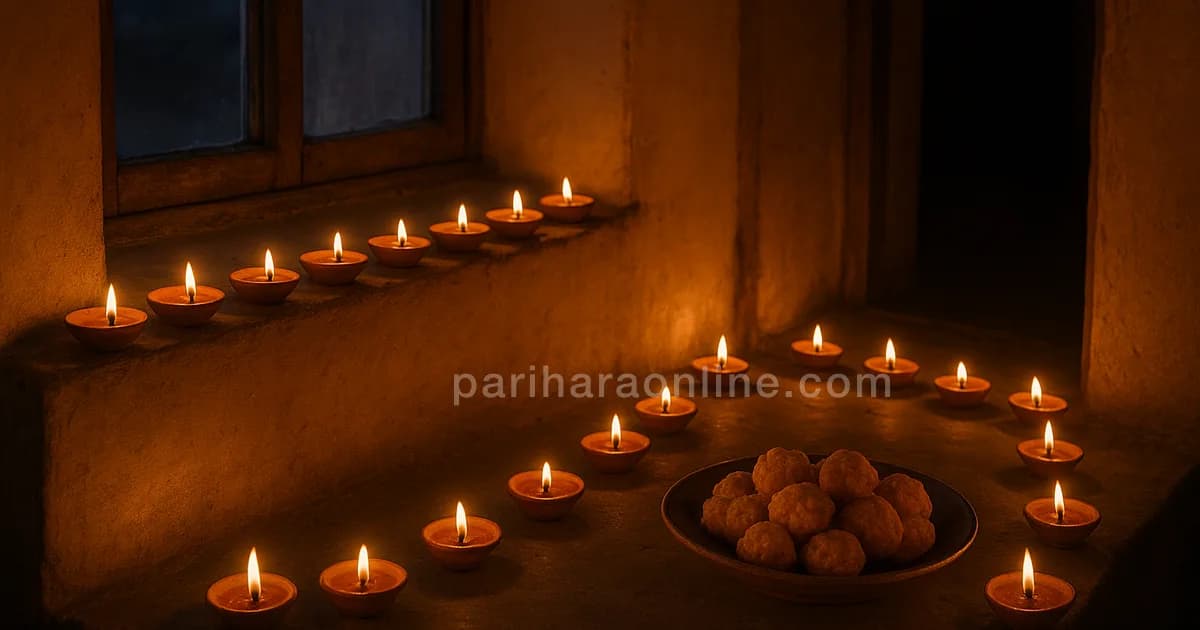
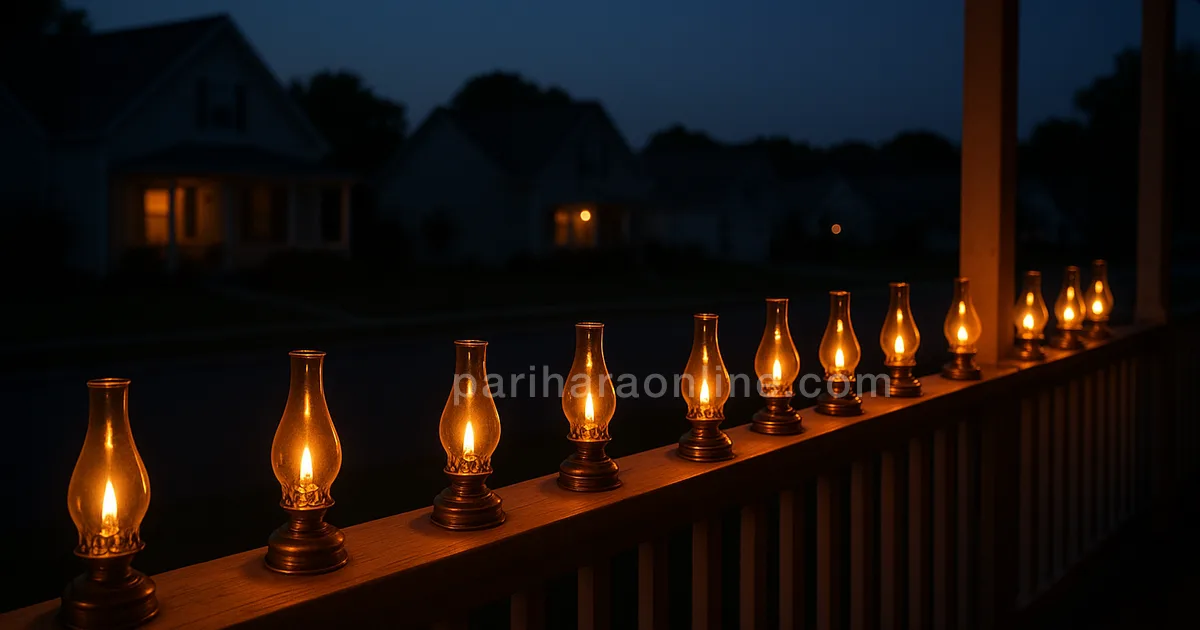
Karthigai Deepam at home: how to set out rows of agal vilakku lamps, prepare pori and appam, and keep the lamps as a practice of attention in a small space.
Why is Diwali celebrated? Rama's return, Krishna and Narakasura, Lakshmi's arrival and Mahavira's liberation: four stories and the one light they share.
Explaining Diwali to kids with stories they remember: Rama's homecoming, Lakshmi's visit, Krishna and Narakasura, plus the one idea underneath all of them.
Skanda Sashti fasting, gently: how the six-day Murugan vratham works, what people eat, how to adapt it to work and health, and what to do each of the six days.
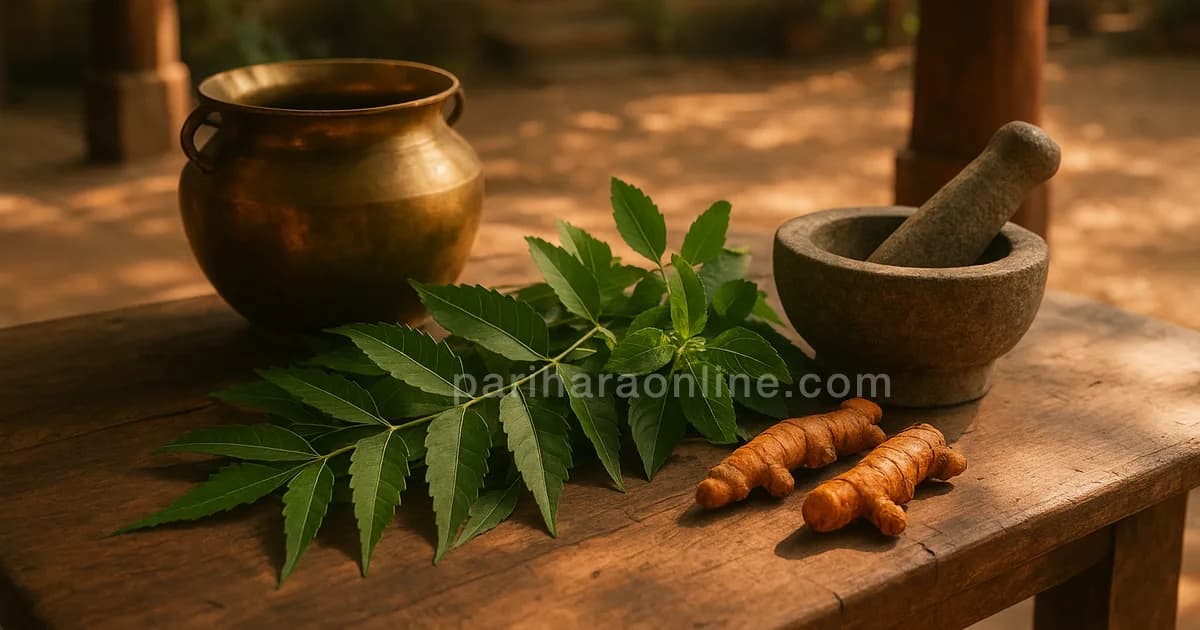
The Dhanvantari homam honours the god of Ayurveda. What Dhanvantari represents, how the homam is performed, and how to treat the body as an instrument of care.
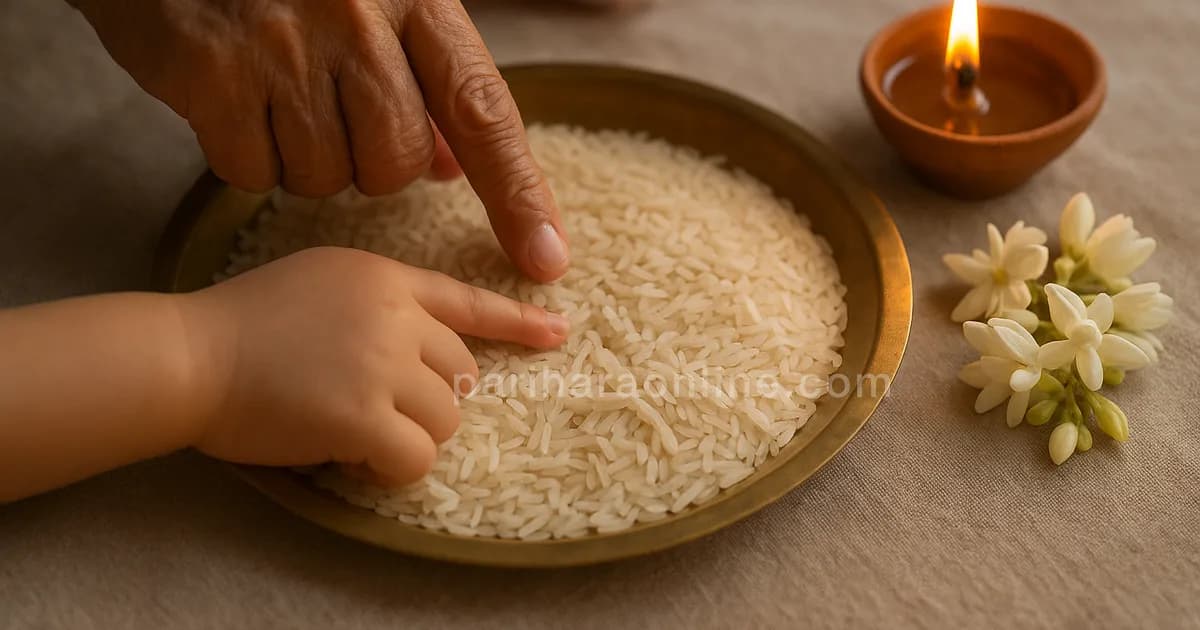
Vidyarambham is when a child writes first letters in a plate of rice on Vijayadashami. What the ritual means, how families do it, and how to hold it anywhere.
Dussehra significance, told through Ravana and Durga: why the tenth day marks victory, what burning the effigy means, and why Ravana is more than a villain.
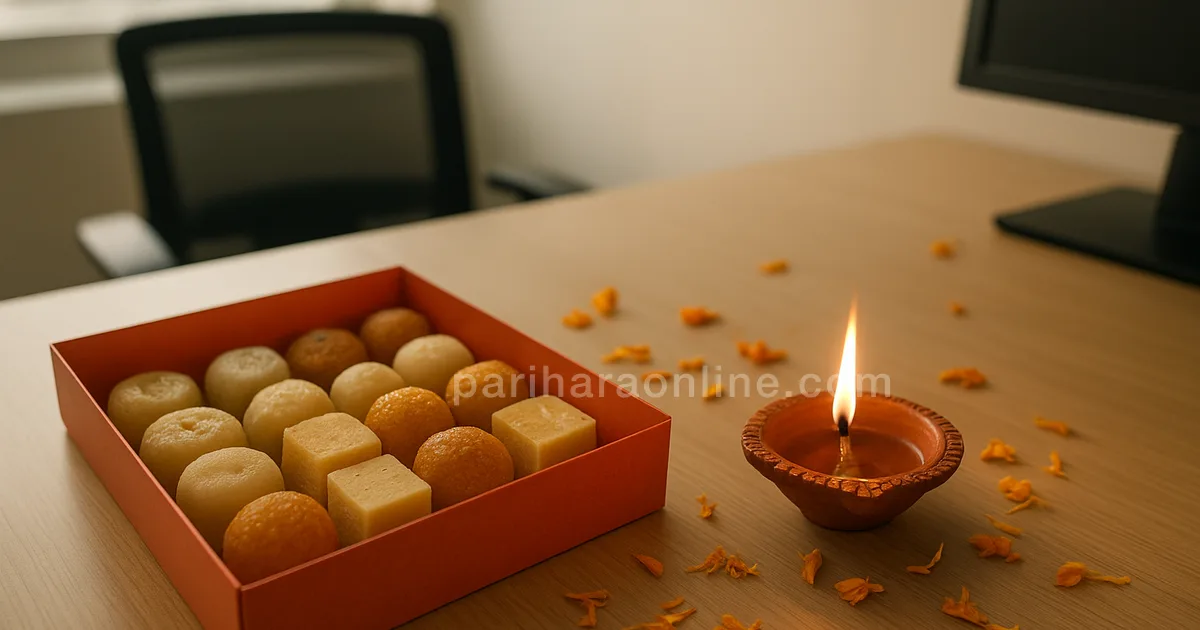
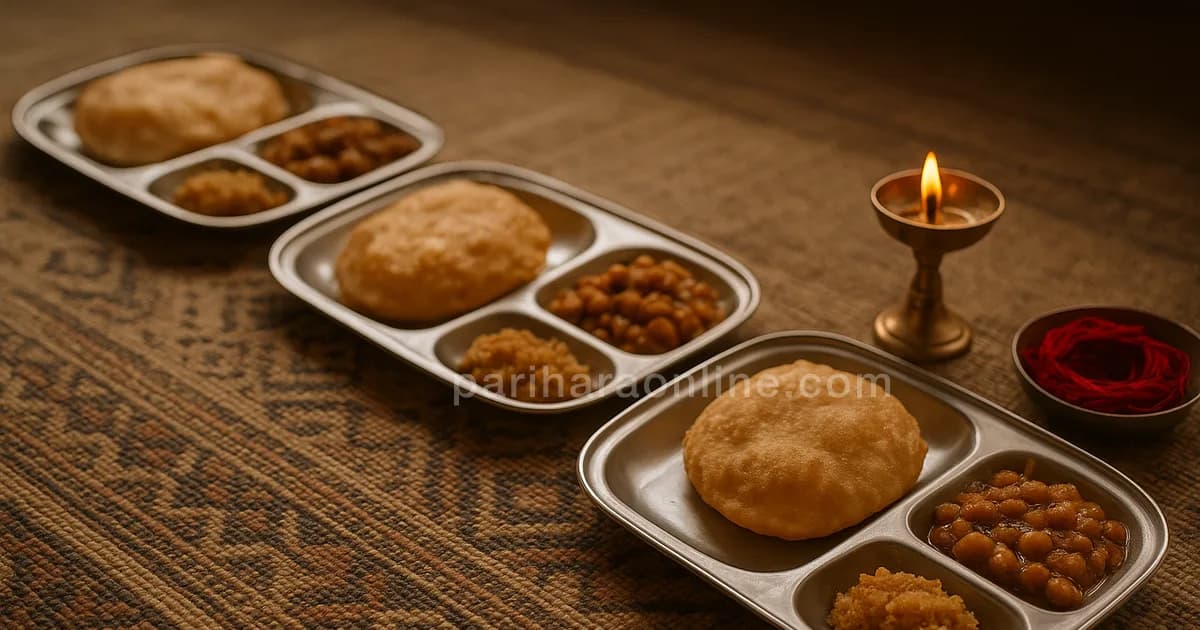
The five days of Diwali explained day by day, from Dhanteras to Bhai Dooj: what each day honours and one simple thing to do at home on each of the five days.
Saraswati and Hayagriva, the Hindu deities of learning: who they are, the story of the horse-headed Vishnu who rescued the Vedas, and what they ask of students.
Prayer for your child's exam, from a parent's side: handling worry, what a lamp and a verse can do for you, and how to be calm company during exam season.
Kanya puja meaning in Navratri: why families wash the feet of young girls and feed them as the Goddess, and how to keep the ritual kind, modern and respectful.
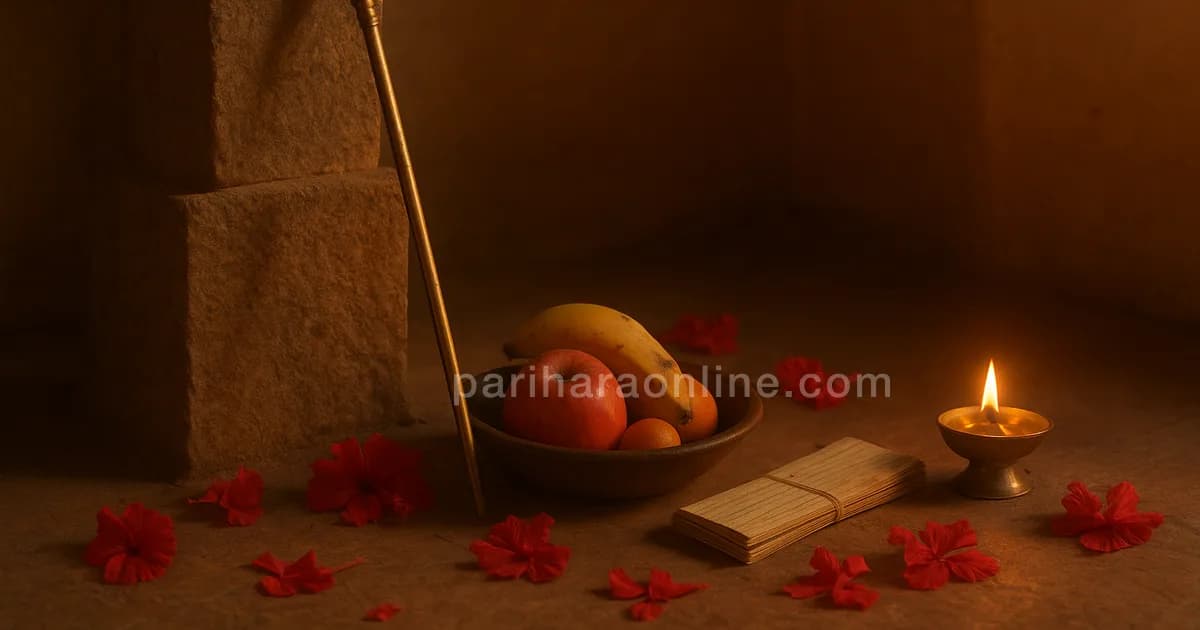
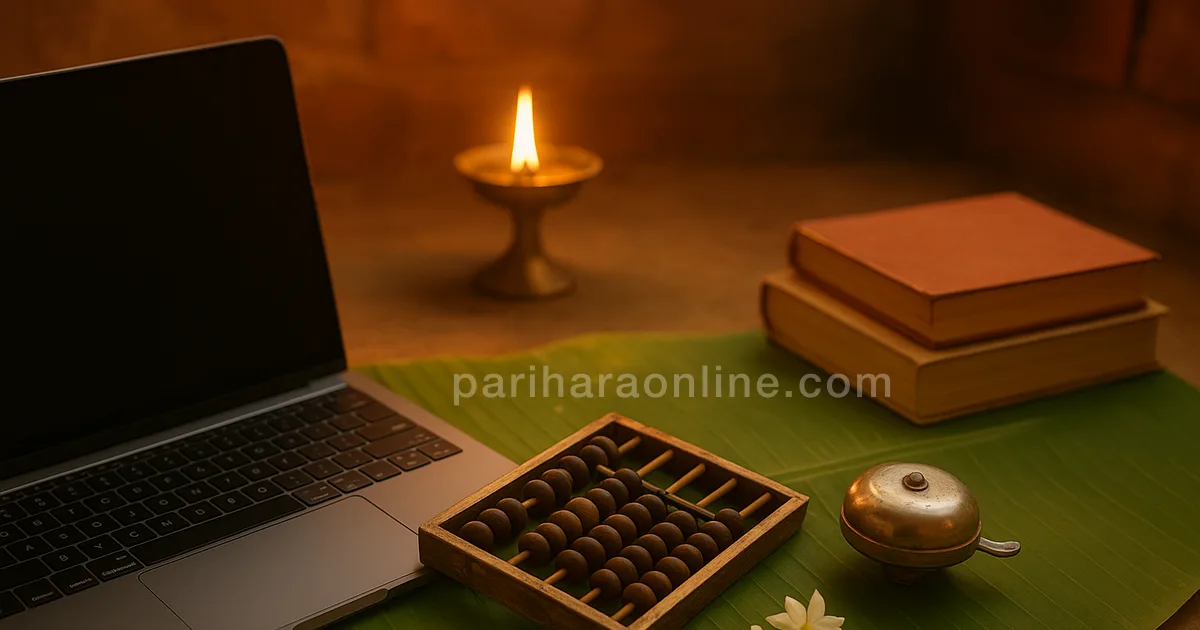
A pooja for exam success that actually calms you: a five-minute ritual with a lamp, breath and a Saraswati mantra to steady attention before studying or a test.