Pushya Nakshatra (Poosam): The Nourishing Star
Pushya nakshatra, Poosam in Tamil: Brihaspati and Shani, the nourishing udder, the Vilankulam temple, and a week of eating with attention on your star.
· 4 min read
In short
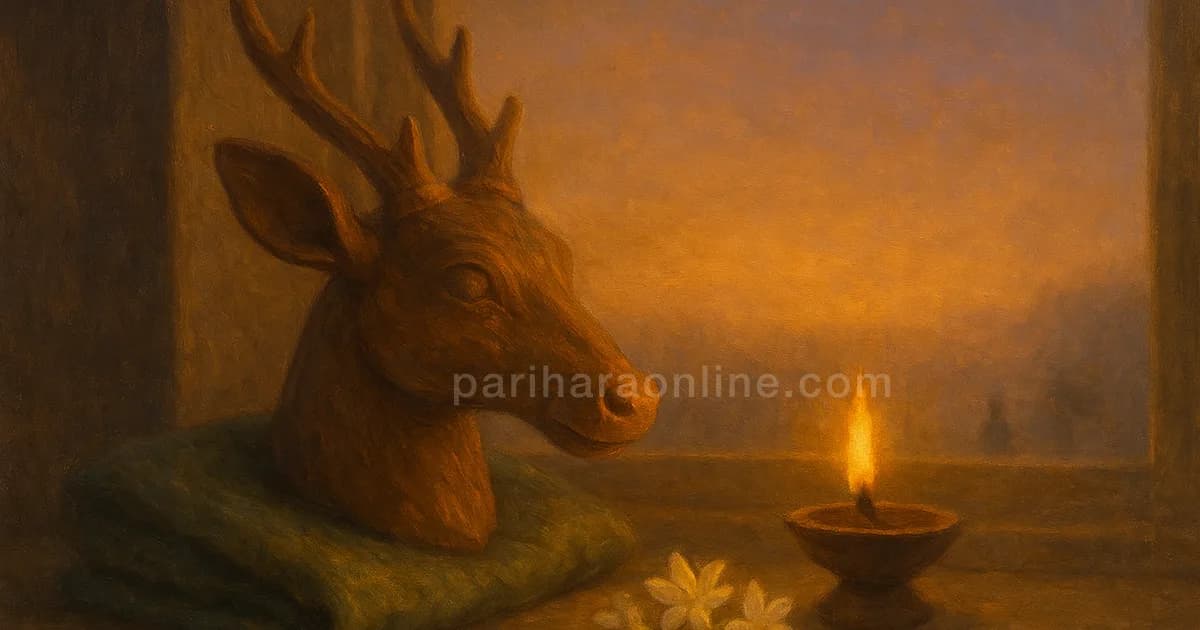
Pushya, Poosam in Tamil, is presided over by Brihaspati with Shani as its ruling planet; its symbol, a cow's udder, stands for nourishment.
Tradition counts Pushya among the most favourable stars for beginnings, learning and acts of care.
The Akshayapureeswarar temple at Vilankulam is traditionally associated with Pushya nakshatra and with Shani worship.
Pushya means "the one who nourishes", and its symbol is a cow's udder. Before you think about what Pushya nakshatra might give you, notice how you feed yourself. How fast do you eat? Where is your attention while you do it? The star is about slow, lasting nourishment, and that begins at your own plate.
Why is a Shani-ruled star called the most nourishing?
In Jyotish, Indian astrology, every one of the twenty-seven nakshatras, the Moon's birth stars, has a guiding deity and a ruling planet, the adhipati. Pushya's guide is Brihaspati, the teacher of the gods. Its adhipati is Shani, Saturn, the slow planet of discipline and time. In Tamil it is called Poosam, and it lies wholly in Kataka, the crab.
People are often surprised that a Saturn-ruled star is counted among the kindest. But think about what real nourishment needs. A meal that lasts is cooked slowly. A lesson that stays is taught patiently. A child grows over years, not days. Brihaspati brings wisdom; Shani brings the patience to let it land. Together they make something that feeds you for a long time instead of giving you a quick hit.
The symbols are the udder, the flower and the circle: milk given freely, something opening, something complete. Tradition describes Poosam-born people as caring, dutiful, steady and protective, often the one who remembers who has not eaten. Take that as a description, not a destiny. It is a quality anyone can practise.
The star comes after Punarvasu, the star of return, and the pairing makes sense: first you come home, then you are fed.
Pushya nakshatra in practice: food, teaching and Thai Poosam
Tradition treats Pushya as one of the most favourable stars for beginnings, especially beginnings that need to last: starting a course of study, a new practice, a first lesson for a child. Many families choose it for such things when they can.
Its most visible day is Thai Poosam, when the full moon of the Tamil month of Thai falls on Poosam. It is Murugan's festival, kept with kavadi, the decorated burdens devotees carry on their shoulders as an offering, and with long walks to the hill temples. The meaning of Thaipusam and the kavadi goes further.
The other thread is Brihaspati as guru. In the tradition, teaching is a form of feeding. Someone who explains a thing patiently to you is giving you food of a kind, and it is the kind that does not run out. Because Guru and Brihaspati are the same figure, Thursday prayers fit a Pushya life well; see Thursday worship of Guru.
The temple of Shani's healing
The temple most lists give to Poosam is the Akshayapureeswarar temple at Vilankulam, near Peravurani. Akshaya means the one that never diminishes, a lovely name for a star about lasting nourishment. The shrine is also linked with Shani worship, and local tradition holds that Shani himself prayed here for relief, which puts the slow planet and Shiva's grace side by side.
At home, the practice can be very simple. On Thursdays, a lamp for Guru. On Saturdays, a sesame-oil lamp for Shani. On the monthly Poosam day, your janma nakshatra, when the Moon passes through Poosam again, offer a meal: cook for someone, or buy food for someone who needs it. The tradition of annadhanam, feeding as worship, fits this star better than any other.
The star birthday, when Poosam returns in your birth month, is traditionally a day for feeding others rather than being feasted. The next star, Ashlesha, the serpent's star, turns the attention inward.
Look at the food before you eat it
Eat one meal a day without a screen. Not every meal, just one. Sit down. Look at the food. Taste the first three mouthfuls properly. Notice when you are full, which usually arrives a few minutes before you stop eating.
You may find it harder than it sounds. The hand reaches for the phone out of habit. Let it reach, and put the phone face down. By the end of the week, many people find they eat a little less and feel a little more fed.
Then, on your Pushya day, cook or buy a meal for someone else. Nourishment is the whole practice, in both directions.
Questions people ask
Which temple is associated with Poosam nakshatra?
The widely cited Tamil list of nakshatra temples names the Akshayapureeswarar temple at Vilankulam, near Peravurani in Thanjavur district, as the Poosam nakshatra temple. It is also traditionally linked with Shani, the star's ruling planet. Poosam-born devotees often visit on Saturdays or on their monthly star day, or arrange archana there from afar.
Why is Shani the lord of Pushya nakshatra if it is so auspicious?
In Jyotish, Shani stands for patience, discipline and endurance, not only hardship. Paired with Brihaspati as the presiding deity, the pairing is read as wisdom that ripens slowly and lasts. That is why the star is favoured for starting studies, buying essentials and beginning long work. It is tradition's reading, not a guarantee of outcomes.
What are Pushya star qualities according to tradition?
Tradition describes Pushya-born people as caring, protective, dutiful, fond of learning and generous with food and help, with a tendency to worry or over-give as the shadow side. The udder symbol expresses that nourishing instinct. These are traditional descriptions attached to a star, and a full chart and personal choices change the picture a great deal.
Enjoying this?
To get more Nakshatra posts like this, subscribe for free.
Written by
Writes about practice: attention, breath, the body, the lamp
Archana writes about ritual as something you do rather than something you believe: the lamp, the breath, the fast, the few quiet minutes before the day begins. Her pieces usually end with a small practice to try for a week and notice what changes.