Naraka Chaturdashi and the Deepavali Oil Bath
Naraka Chaturdashi and the Deepavali oil bath: the Narakasura story, why Tamil families rise before dawn for Ganga snanam, and keeping it far from home.
· 4 min read
In short
Naraka Chaturdashi remembers Krishna and Satyabhama defeating the demon Narakasura; in Tamil Nadu it is Deepavali day itself, begun with a pre-dawn oil bath.
The oil bath is called Ganga snanam because tradition holds that the Ganga is present in all water at dawn on this day.
The smell of warm sesame oil in the dark. My grandmother's thumb pressing oil into my scalp, too hard, while a cracker went off somewhere down the street. That is Deepavali morning in a Tamil house, and it belongs to Naraka Chaturdashi, the fourteenth day of the waning moon, when the south celebrates Krishna's victory over the demon Narakasura. The day is kept with a pre-dawn oil bath, new clothes, sweets and a greeting that sounds like a question: "Ganga snanam aachaa?" Have you had your Ganga bath?
What is Naraka Chaturdashi?
The story is in the Bhagavata Purana. Narakasura, a powerful king, had grown arrogant. He imprisoned thousands of women, took the earrings of Aditi, the mother of the gods, and terrorised heaven and earth alike. Krishna rode out against him with his wife Satyabhama beside him on the chariot, and in the telling most Tamil families know, it was Satyabhama who struck the final blow.
What I remember most, though, is the ending my grandmother told. As Narakasura lay dying, he asked for one thing: that people remember the day not with mourning but with light, with oil baths and new clothes and lamps. So we do. It is a strange mercy at the heart of a festival, a demon's last wish granted by the people he once frightened. The north has other stories for this season, gathered in why Diwali is celebrated, but in our house this was the one.
Why the pre-dawn oil bath?
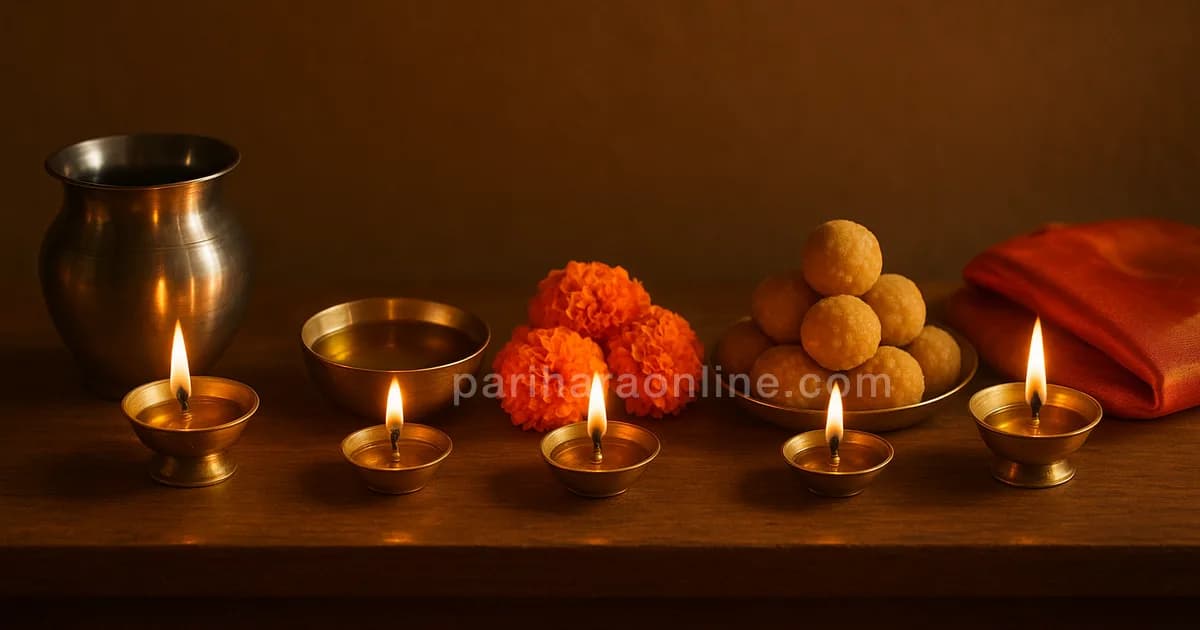
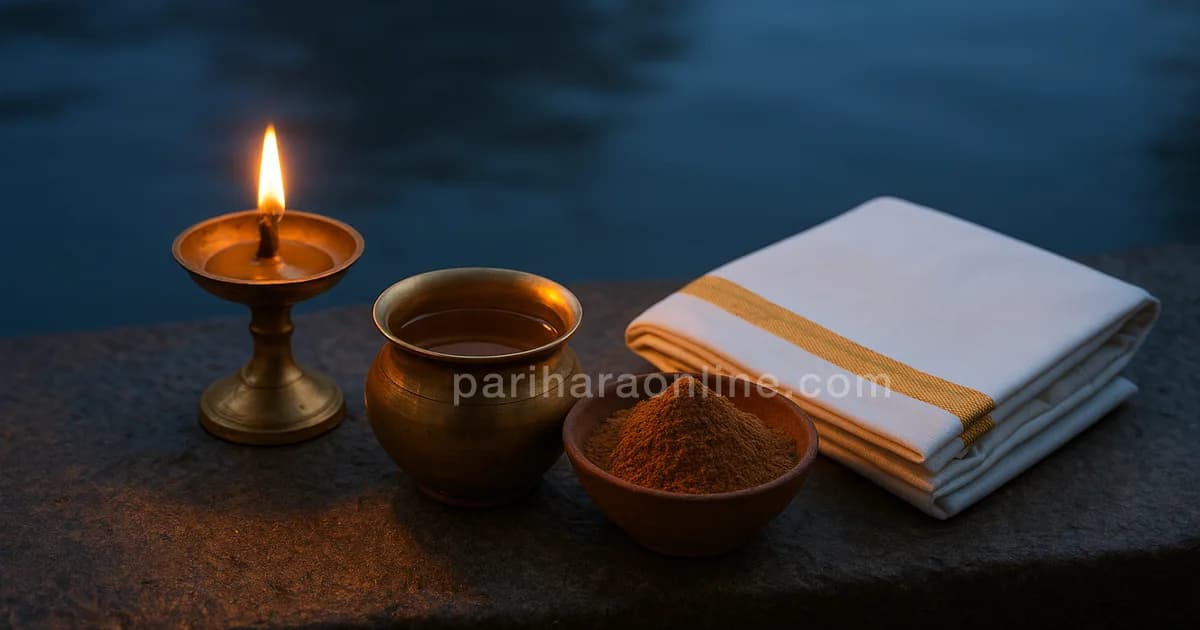
The bath has to happen before sunrise, in the dark, which is why children are dragged out of bed at four in the morning. Oil is warmed, sometimes with a pepper or a betel leaf dropped in, and rubbed into the hair and body. After a short wait comes the bath with shikakai, a soap-nut powder that takes the oil out, and then the new clothes laid out the night before.
The belief behind the greeting is that on this one morning, Ganga, the sacred river, is present in all water everywhere. The bucket in a Chennai bathroom and the shower in a New Jersey apartment are, for that hour, the same river. "Ganga snanam aachaa?" is how you ask someone whether they have been to the Ganga, without either of you leaving home.
Andal's Tiruppavai opens with an invitation to the girls of the village to rise in the cold dawn of Margazhi: "neeraadap poduveer, poduminoe", come, all who wish to bathe. It is about a different month and a different vow. But I think of that line every Deepavali morning, standing under the water while the house is still dark. There is something about bathing before the sun that makes a day feel chosen.
After the bath comes the Deepavali marundhu, a dark, sticky paste of ginger, jaggery and spices, to settle the stomach before the sweets arrive. Then crackers, then breakfast, then visits.
Keeping the oil bath when you live far away
Deepavali in the United States usually falls on a working day, and the tithi, the lunar day, does not always line up with India's. Check the current year's panchangam for your city; when Diwali falls in the USA explains why the day can shift. The morning itself adapts easily.
What we do now is quieter. I set an alarm forty minutes earlier than usual. I warm a little sesame oil in a steel cup, work it into my son's hair while he complains exactly as I used to, and we take turns in the shower. My mother calls on video, already in the evening of her Deepavali, and asks the question. We answer yes. There is no cracker, but there is usually a neighbour's doorbell somewhere, and that does.
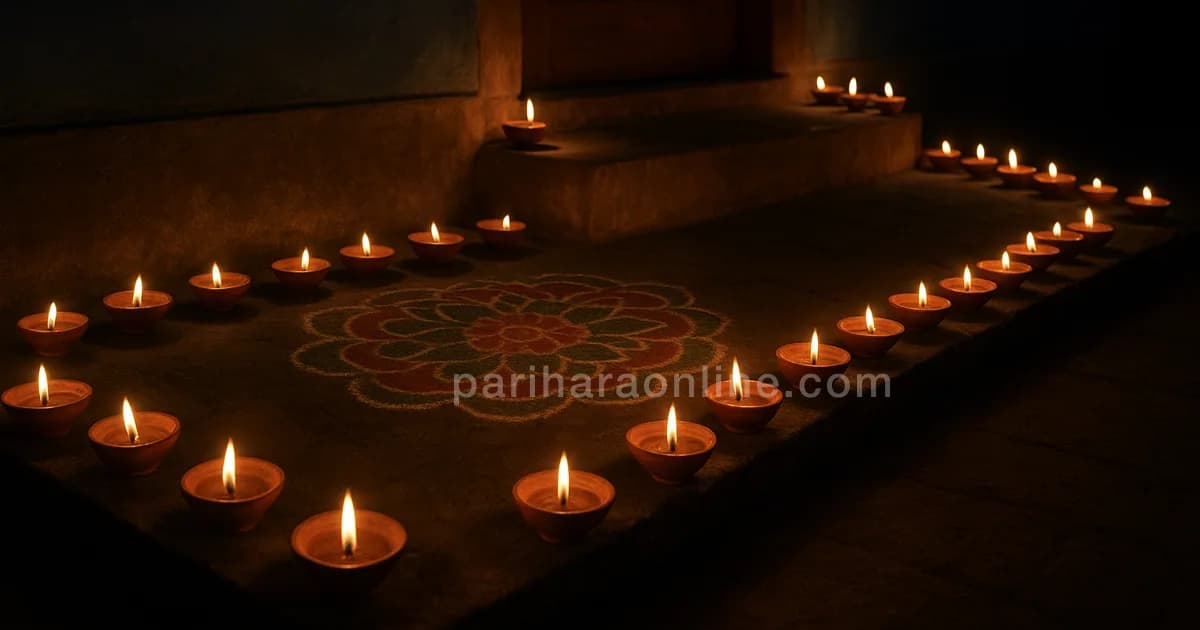
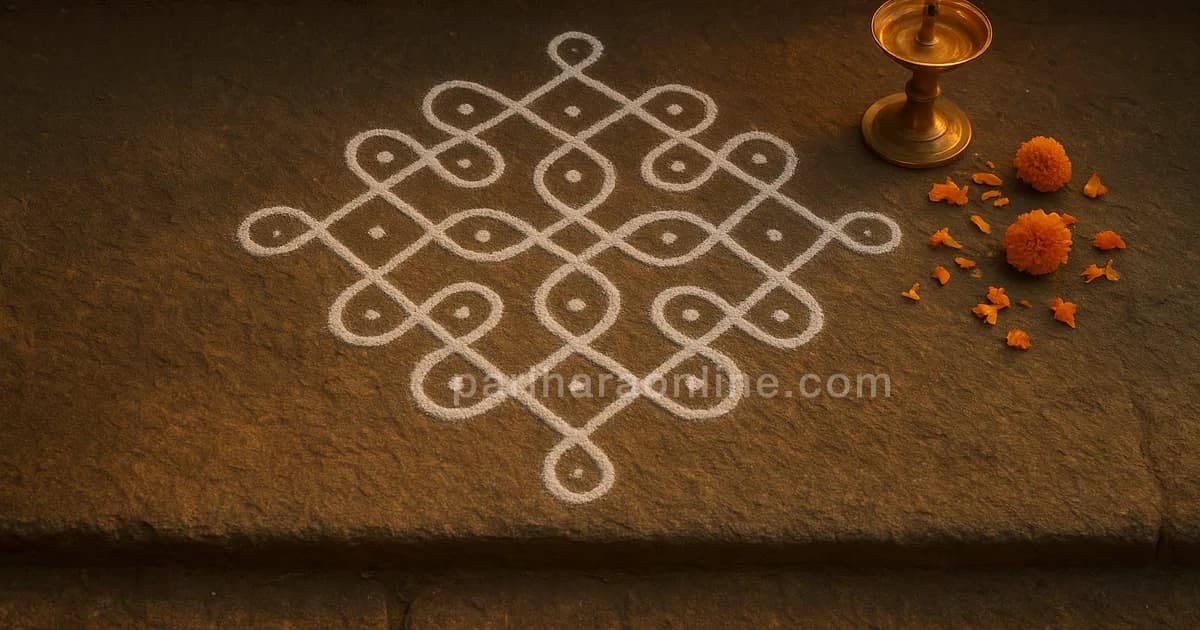
If you have time the evening before, a small kolam, the rice-flour pattern drawn at the threshold, helps the morning feel different; the meaning of kolam and rangoli is a good place to start. The rest of the festival carries on through the five days of Diwali, with lamps on the new-moon night still to come.
One small thing to carry into the week
On Naraka Chaturdashi morning, wake a little earlier than you need to. Warm some oil, put it in your hair, bathe slowly and put on something you have not worn before. Then greet one person, in whatever language you like, with "Ganga snanam aachaa?" Notice who smiles.
Questions people ask
Why do we take an oil bath on Deepavali?
In South Indian tradition the pre-dawn oil bath on Naraka Chaturdashi is called Ganga snanam, because the Ganga is believed to be present in all water that morning. Warm sesame oil is massaged into the head and body, washed off with shikakai or herbal powder, and followed by new clothes. It marks cleansing after Narakasura's defeat and the start of the festival.
What is the story of Narakasura?
The Bhagavata Purana tells of Narakasura, a powerful demon who imprisoned thousands of women and terrorised the heavens. Krishna, with his wife Satyabhama driving his chariot, defeated him. Some tellings say Satyabhama herself struck the final blow. Before dying, Narakasura asked that his death be remembered with lamps and celebration, which is why the day opens Deepavali.
Is Naraka Chaturdashi the same day as Diwali?
In Tamil Nadu and much of South India, Deepavali is celebrated on Naraka Chaturdashi, often a day before the north Indian Lakshmi Puja, though some years they coincide. In the north it is called Choti Diwali, the day before the main night. The exact day depends on the tithi, so check the current year's panchangam for your city.
Enjoying this?
To get more Deepavali posts like this, subscribe for free.
Written by
The Sunday column: festivals and rituals meeting ordinary weeks
Manikandan writes the Sunday column, where festivals and rituals meet commutes, hospital corridors and video calls with parents far away. Each piece closes with one small thing to carry into the week ahead.