Maha Shivaratri Meaning: Why Stay Awake All Night
Maha Shivaratri meaning: why devotees stay awake all night, the stories of Shiva's dance, the Jyotirlinga and the hunter, and what the night of Shiva invites.
· 5 min read
In short
Maha Shivaratri, the great night of Shiva, falls on the fourteenth night of the waning moon in Magha or Phalguna, usually February or March.
Devotees stay awake all night because the Shiva Purana praises night-long vigilance; the vigil is really about staying awake inwardly while the world sleeps.
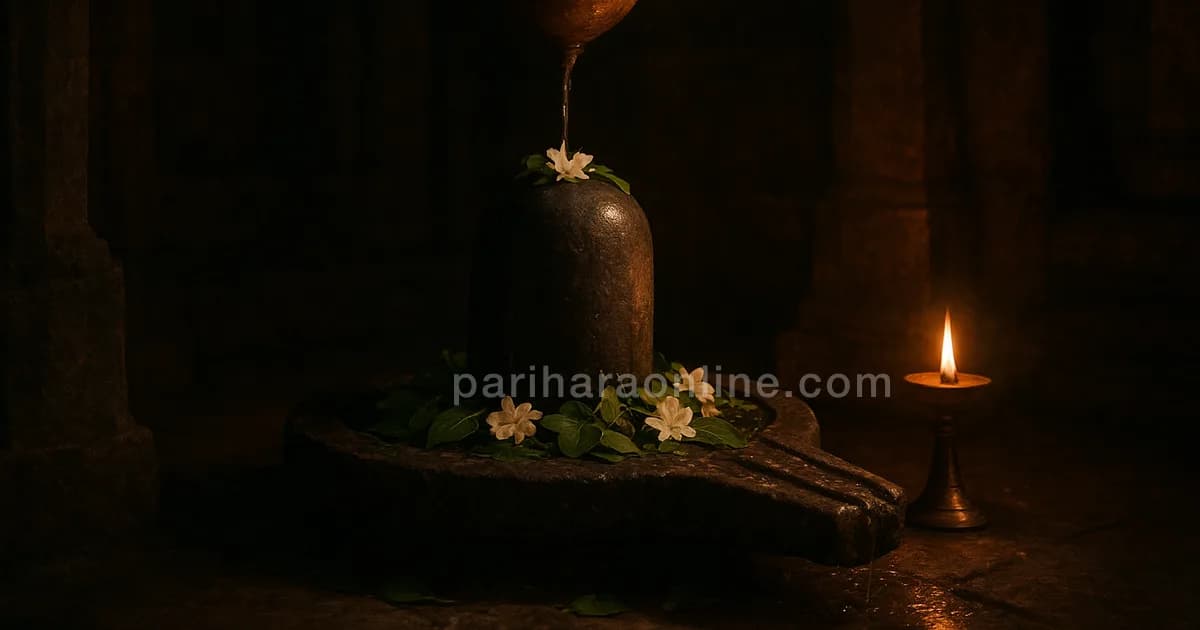
A hunter is lost in a forest after dark. A tiger prowls below, so he climbs a bilva tree and settles in to wait for morning. To keep himself from dozing off and falling, he plucks the leaves one by one and lets them drop. He cannot see that there is a Shiva linga at the foot of the tree, or that water from his leaking pouch is dripping onto it too. The Shiva Purana says that was his worship, and that it was enough. The Maha Shivaratri meaning sits inside that story: the great night of Shiva asks for one thing above all, which is to stay awake, and it accepts that wakefulness even from someone who did not know he was praying.
Maha Shivaratri meaning: the great night of Shiva
Every lunar month has a Shivaratri, a "night of Shiva", on the fourteenth night of the waning moon, the night before the new moon. Once a year that night is called Maha, great. It falls in the dark half of Magha by the South Indian calendar, which the North calls Phalguna because its months are counted differently. Either way it lands at the end of winter, usually in February or March. The exact night moves with the moon, so families check the current year's panchangam, the traditional almanac, rather than a fixed date.
The timing is not an accident. The fourteenth night is the darkest the moon gets before it disappears. The story places Shiva's night at the point where there is almost nothing left to see by. The monthly version has its own evening observance, the twilight hour of Pradosham, but Maha Shivaratri stretches that dusk across the whole night.
Why stay awake all night?
Go back to the hunter. The story says he gained merit because he fasted without meaning to, kept vigil because he was frightened, and offered leaves because he was bored. The story is really about attention. He did not bring devotion to the tree. He brought wakefulness, and wakefulness turned out to be the devotion.
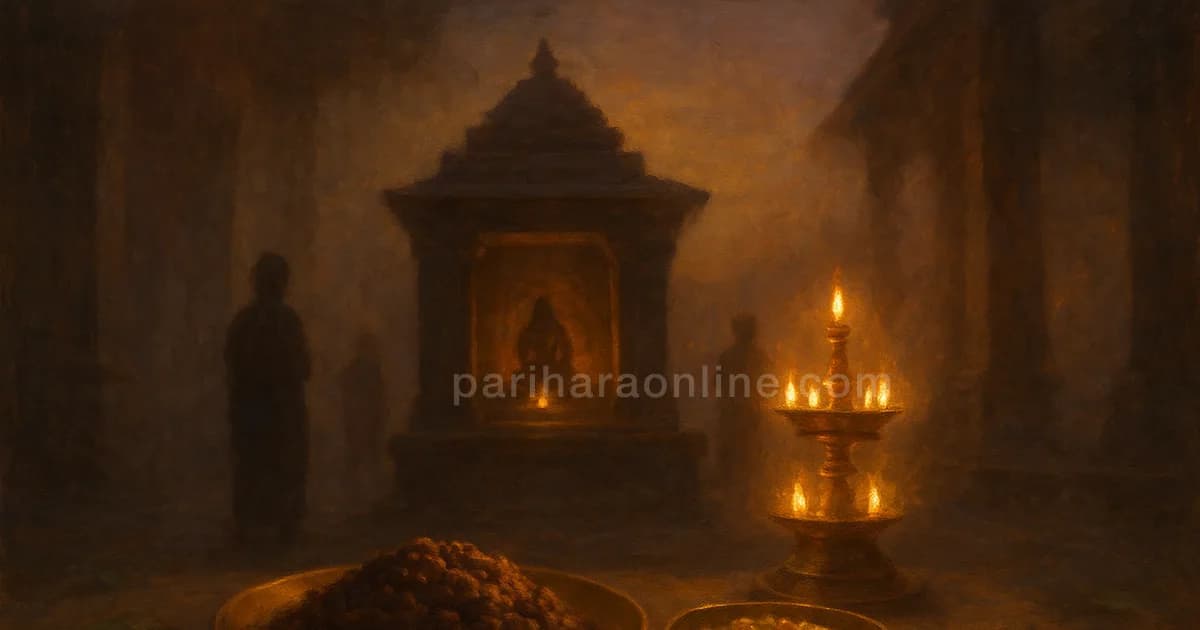
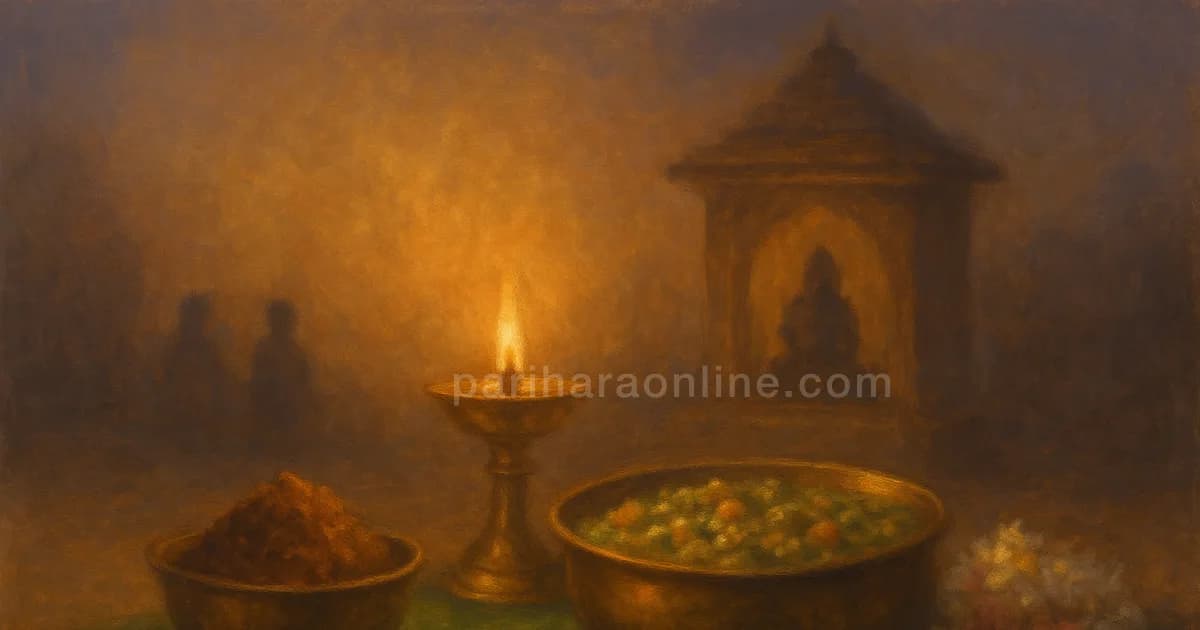
That is why temples divide the night into four praharas, watches of roughly three hours each, with an abhishekam, the ritual bathing of the linga, in every watch. Water in one, milk in another, curd, honey, ghee. The structure is a kindness. Nobody is asked to stay alert for twelve hours straight; they are asked to arrive, again and again, four times. If you want to try the four watches yourself, there is a practical guide to keeping the Shivaratri vigil at home.
There is a deeper image underneath. In most stories, the world sleeps and the gods keep watch. Shiva is the one who stays awake while everything else dissolves into night. Staying awake with him, even for a few hours, is a way of saying: I will not sleepwalk through my own life. Nobody is keeping score of how many hours you manage. The vigil is inward first.
Many stories, one night
Ask five people why Maha Shivaratri matters and you may hear five different stories.
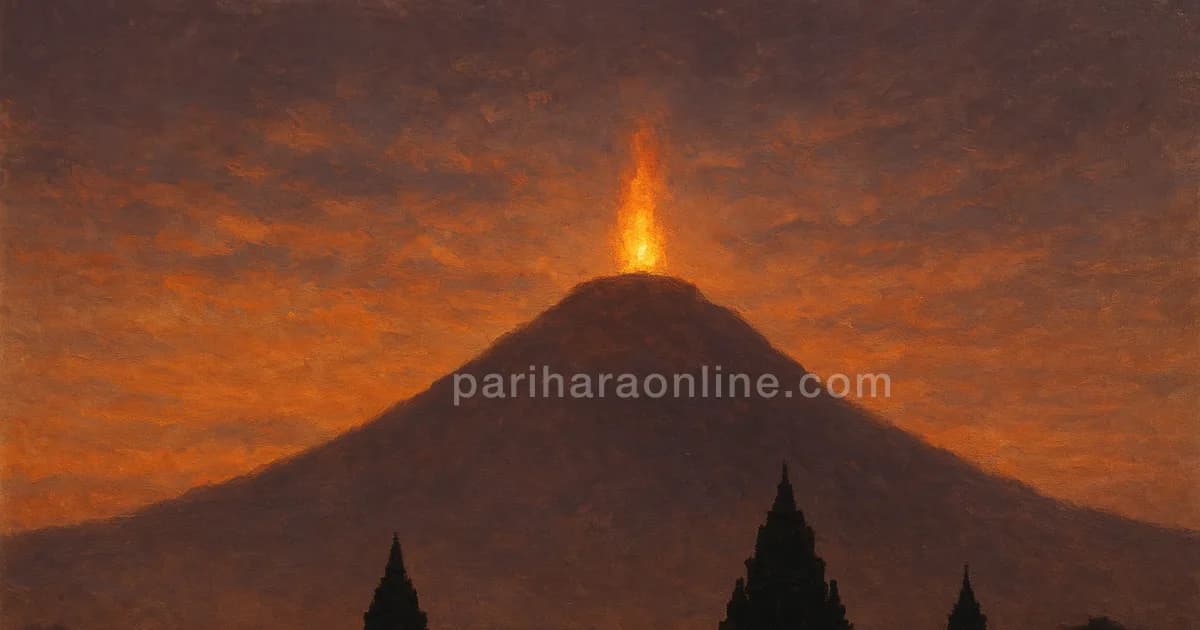
Some say it is the night Shiva appeared as a column of fire with no top and no bottom, while Brahma and Vishnu argued over who was greater. Brahma flew up as a swan and Vishnu dug down as a boar, and neither found the end. That pillar of light is remembered in the twelve Jyotirlingas, shrines of Shiva as light, and it returns in the meaning of Karthigai Deepam too. Others say it is the night of Shiva's marriage to Parvati. Others say it is the night he danced the Tandava, the dance that makes and unmakes the world. And many remember it as the night he swallowed the poison that rose when gods and demons churned the ocean, holding it in his throat until it turned blue, while everyone stayed awake to keep him safe; that story is told in the meaning of Pradosham.
What do these stories share? Each one happens at a limit. The pillar is about the limits of looking. The wedding joins the ascetic to the householder. The dance holds creation and destruction in one movement. The poison is held, neither swallowed nor spat out. Maha Shivaratri is a night for standing at the edge of what you know and not running away from it.
A small vigil of your own
You do not need a temple or a whole night. Stay up a little past your usual hour. Turn off the lights, sit somewhere quiet, and chant Om Namah Shivaya slowly, the five-syllable prayer explained in the meaning of Om Namah Shivaya. Keep going until the mind stops arguing with itself. If you are tired after a working day, that is fine; Shivaratri after a long week is written for exactly that evening. Like the hunter, you may find that simply staying awake was the offering all along.
Questions people ask
What is the meaning of Maha Shivaratri?
Maha Shivaratri means the great night of Shiva. It falls on the Chaturdashi, the fourteenth night, of the dark fortnight in the month of Magha by the South Indian calendar, or Phalguna in the north, usually in February or March. Devotees fast, offer bilva leaves and water to the Shiva linga, chant, and keep a vigil through the night.
Why do we stay awake on Shivaratri?
The Shiva Purana tells of a hunter who stayed awake all night in a bilva tree, unknowingly dropping leaves on a Shiva linga below, and was blessed. The vigil, jagarana, is divided into four prahara pujas. Symbolically, staying awake on the darkest night is about alertness: remaining conscious when everything invites sleep and forgetting.
What stories are associated with Maha Shivaratri?
Several. It is said to be the night Shiva appeared as the infinite column of fire, the night of his marriage to Parvati, and the night he performed the Tandava, the cosmic dance. Some link it to Shiva swallowing the poison from the churning of the ocean. Different regions emphasise different stories; the night honours them all.
Enjoying this?
To get more Maha Shivaratri posts like this, subscribe for free.
Written by
Reads the old stories for what they still mean
Hariharan writes about the myths, symbols and festival stories that most of us grew up hearing but were rarely asked to think about. He tells the story first, then asks what it is really about, and leaves the conclusion to you.