How to Celebrate Diwali in the USA, Weekday and All
How to celebrate Diwali in the USA on a workday: an evening lamp, a short Lakshmi puja, sweets for neighbours and a family call across time zones.
· 4 min read
In short
You can celebrate Diwali in the USA fully on a weekday: light lamps at dusk, offer a short Lakshmi puja, and share sweets.
Many families keep the puja on the actual day and move the party to the weekend; tradition has always adjusted to where people live.
Call family in India during their morning, which usually falls in your previous evening, so the festival feels shared.
The first Diwali after we moved to New Jersey fell on a Tuesday, and I spent the afternoon in a budget meeting wondering whether it even counted. It did. If you are wondering how to celebrate Diwali in the USA when the day lands in the middle of a working week, the answer is simpler than it feels: the heart of the festival is one evening of light, a short prayer to Lakshmi, and sweets shared with the people around you. You need an hour at dusk, not a week off.
How to celebrate Diwali in the USA on a working day
Start the night before, or the weekend before, by cleaning one corner of your home. A small table or shelf, with a picture of Lakshmi and Ganesha. Cleaning is part of the festival, not a chore before it. The old idea is that Lakshmi, the goddess of wellbeing and plenty, visits homes that are ready for her.
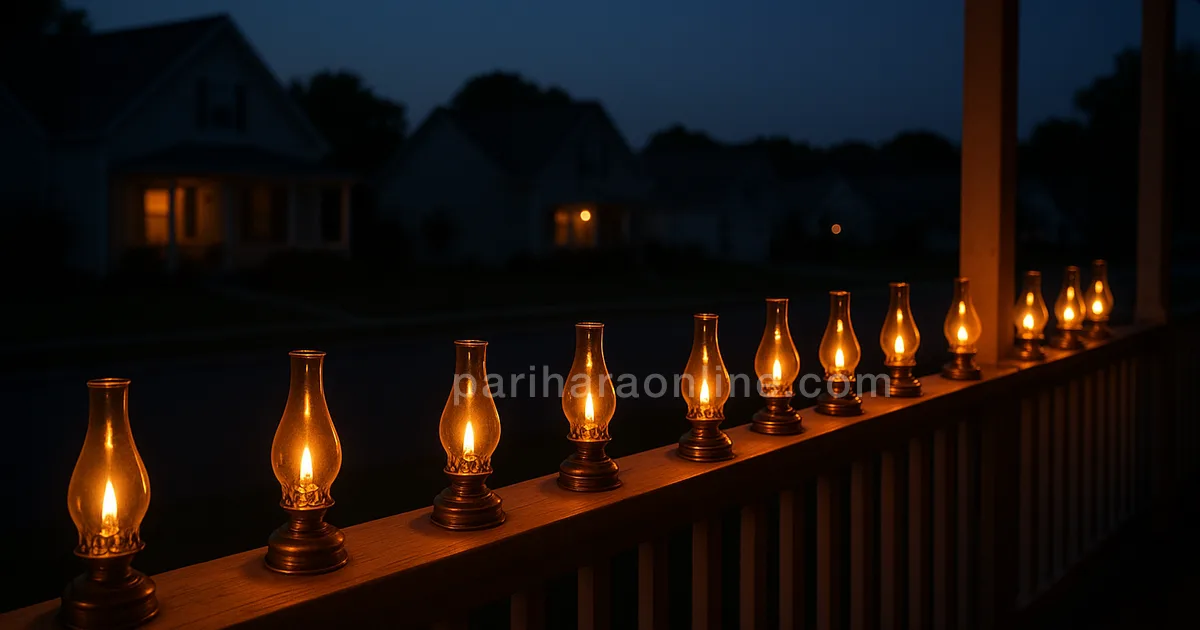
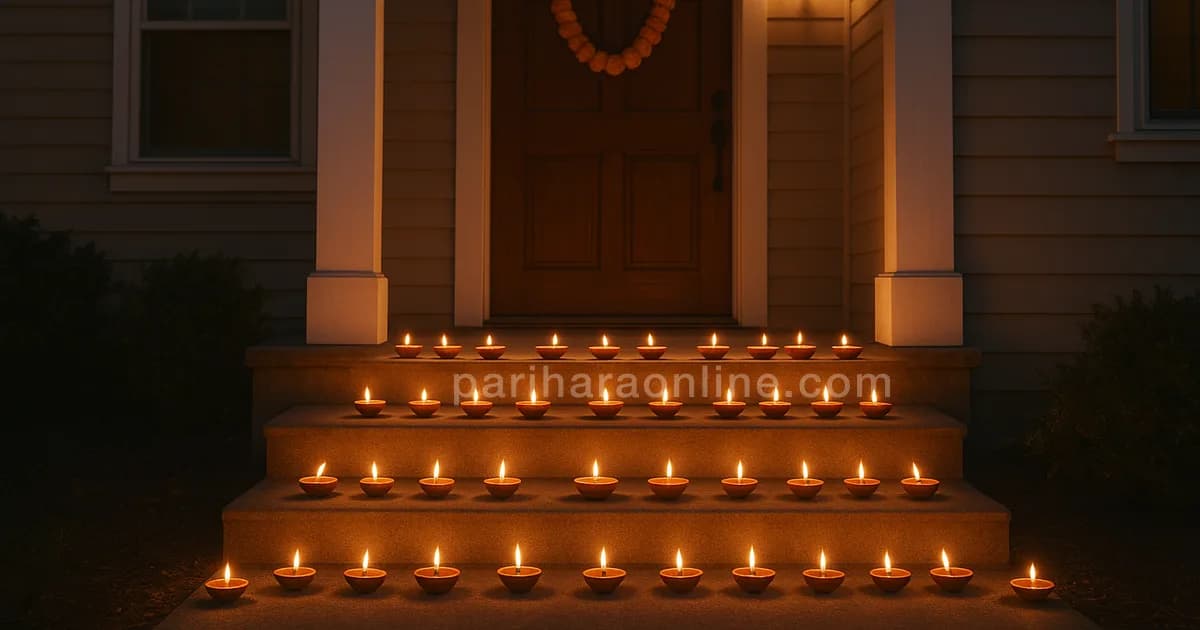
On the evening itself, leave work on time if you can. When the sun goes down, light your diyas, the small clay oil lamps of the festival, or tea lights if that is what you have. Put one at the front door, one at a window, one at the altar. Then sit for ten minutes. Offer a flower, a sweet, a few coins. Say a name of Lakshmi, or simply say thank you for the year. That is a Lakshmi puja, the evening worship of the goddess, in its most portable form. If you want a fuller order of steps, there is a step-by-step piece on Lakshmi puja at home when you live abroad and a gentle guide to how to light a diya if the lamps are new to you.
Because the festival follows the moon, the evening shifts each autumn, and the US evening can differ from India's by a day. It is worth reading why the Diwali date moves in the USA before you ask for time off.
What about the weekend?
Most families I know keep the lamp and the prayer on the actual evening and move everything else to the nearest Saturday: the rangoli, the coloured patterns drawn at the doorway; the big dinner; the friends who drive in from two towns away. It is not a compromise. Our grandparents adjusted festivals to harvests, to monsoons, to the demands of whatever work fed the family. Adjusting to a payroll calendar is the same instinct.
Weekend Diwali also lets you include people. A neighbour who has never seen a diya, a colleague who asked about the sweets you brought in (there is more on sharing Diwali at the office), children who can stay up late without a school morning looming. Let the Saturday be loud. Let the Tuesday be quiet. Both are Diwali.
Keeping family close across time zones
This is the part that takes some arithmetic. India runs roughly nine and a half hours ahead of the East Coast and twelve and a half ahead of the West Coast, and an hour more once American clocks fall back in November. So India's Diwali morning usually arrives during your previous evening. My mother's six o'clock oil bath and new clothes happen while I am clearing the dinner plates the night before.
Use that. Call on your evening, when their day is beginning. Light your lamp on camera. Let the children show their rangoli. Ask the eldest person on the call to say the prayer, even if it is only one line. The Brihadaranyaka Upanishad has the line people still recite at this time of year: tamaso ma jyotirgamaya, lead me from darkness to light. It sounds different through a phone speaker, with firecrackers behind your father's voice.
Keep the call short and unhurried. Ten attentive minutes are better than an hour with everyone half watching the screen.
A simple checklist for the week before
What I now do, in an ordinary week:
- Buy diyas or tea lights and a small bottle of oil or ghee.
- Clean one corner and set out a picture of Lakshmi and Ganesha.
- Make or buy one sweet. One is enough.
- Fix the time of the family call, in both time zones, and put it in everyone's calendar.
- Choose one person who has no one to celebrate with, a new graduate student, an elderly neighbour, a colleague far from home, and give them a small box of sweets or an invitation to the Saturday.
That last one is the one I would keep if I had to drop everything else. Diwali is a festival of light, and light is only useful when someone else can see by it. This week, before the evening arrives, decide who that someone will be.
Questions people ask
Can I celebrate Diwali on the weekend instead of the actual day in the USA?
Many families do both. They light a lamp and offer a short prayer on the actual evening, even after work, and hold the larger gathering, rangoli and sweets on the nearest weekend. The lunar day matters for the puja itself, but a festival shared with friends on Saturday is still Diwali in spirit. Check your local panchangam for the exact evening.
What is the simplest way to celebrate Diwali at home in America?
Clean one corner of your home, set out a few oil lamps or tea lights, place a picture of Lakshmi or Ganesha, and offer flowers and a sweet at dusk. Say a short prayer of thanks, then light lamps at the door and windows. Share sweets with neighbours. That evening of light is the core of the festival.
How do I celebrate Diwali with family in India on a video call?
India is roughly nine and a half to thirteen and a half hours ahead of the continental US, depending on your time zone and daylight saving, so India's Diwali morning is often your previous evening. Plan the call for then. Light your lamp on camera, let children show their rangoli, and ask elders to say the prayer. Keep it short and unhurried rather than long and distracted.
Enjoying this?
To get more Diwali posts like this, subscribe for free.
Written by
The Sunday column: festivals and rituals meeting ordinary weeks
Manikandan writes the Sunday column, where festivals and rituals meet commutes, hospital corridors and video calls with parents far away. Each piece closes with one small thing to carry into the week ahead.