Holi in America: Colours, Campus and Belonging
Holi in the USA, from campus colour runs to temple lawns: an NRI reflection on belonging, explaining Holi to friends, and keeping its story alive in a new home.
· 4 min read
In short
Holi in the USA is often celebrated on the nearest weekend at temples and campuses, since the full moon of Phalguna rarely falls on a day off.
Telling the Prahlad and Holika story, even in two sentences, turns a colour party into a festival with roots.
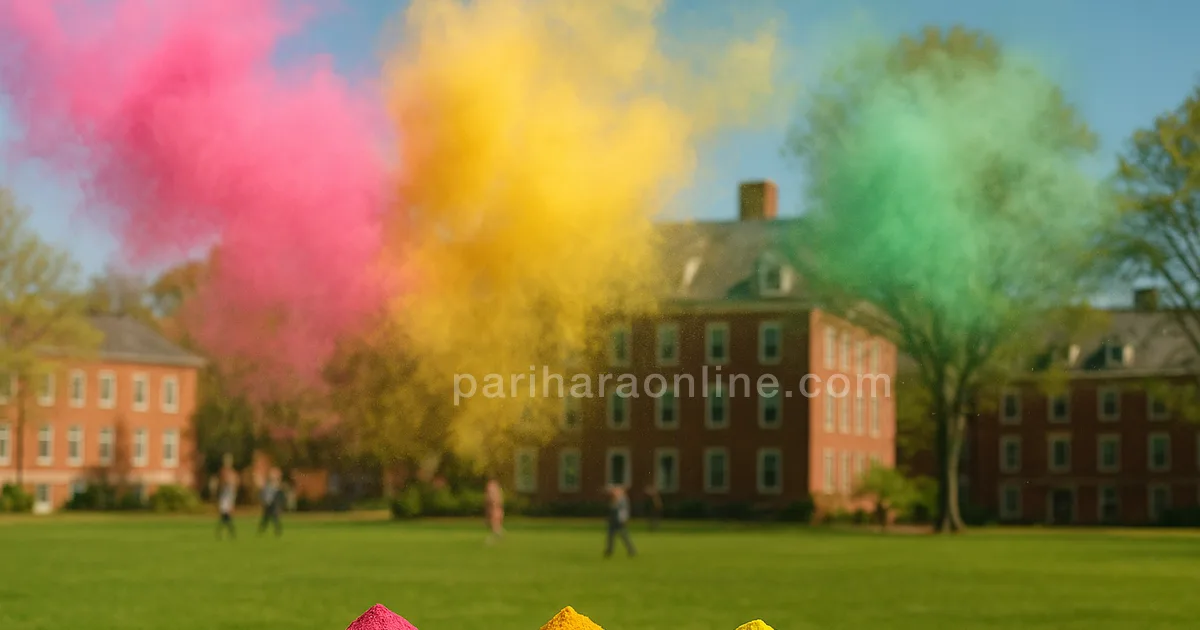
A university quad in March. Half the crowd had never heard of Prahlad, and yet everyone was laughing, faces pink and green, a speaker playing Bollywood songs from a folding table. I stood at the edge with gulal on my glasses and wondered whether this was Holi or something else. The honest answer about Holi in America is that it is both. Most celebrations move to the nearest weekend, at temples, campuses and community parks, and the meaning survives as long as someone remembers to tell the story.
Holi in America today: campus, temple lawns and color runs
Holi falls on the full moon of Phalguna, which lands somewhere in March. It rarely falls on a day off. So the Holi festival in the USA tends to happen on the Saturday or Sunday closest to the full moon: on temple lawns after a short puja, on university campuses where student associations book the quad, and in city parks where charity color runs have borrowed the idea.
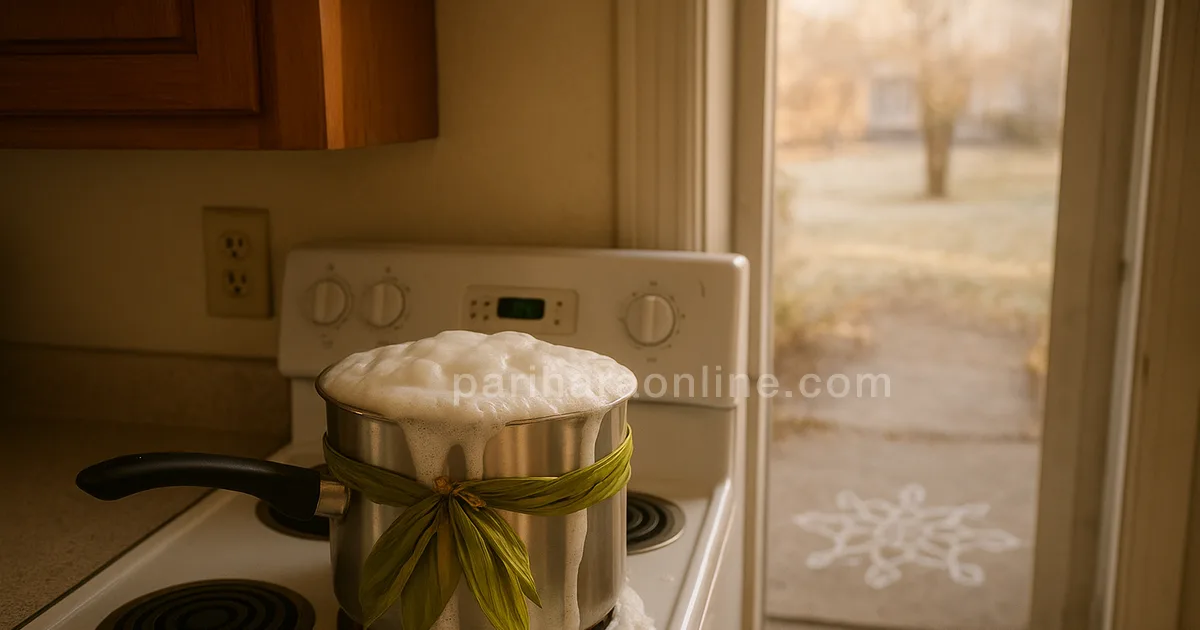
Weather matters too. In much of the country, March is still cold, and nobody wants to be soaked in freezing water. Some temples wait until April. Some families do the bonfire, Holika Dahan, on the actual full-moon evening at home, and play colours later when it is warmer. If you are checking dates, remember that the full moon can fall on a different calendar day in India and in the Americas because of the time difference, so look at a panchangam, a traditional almanac, set for your own city. The Hindu festival calendar for the USA is a good place to start planning.
Is it still Holi if nobody knows the story?
I thought about that question for a long time after that afternoon on the quad.
Surdas, the blind poet whose songs of Krishna are gathered in the Sursagar, sings of Holi in Braj as sheer, happy chaos: the cowherd girls ambush Krishna, drench him with coloured water, steal his flute and refuse to give it back until he begs. There is no sermon in those songs. There is play, and teasing, and a god who lets himself be caught.
So maybe the colour was never the problem. Colour is an invitation. Anybody can walk into it. But a festival without its story is a tree without roots; it looks fine for a season and then it blows over. The story is what lets a child ask why, and a grandparent answer.
How to keep Holi's meaning alive in America
A few things have helped our family, and friends I have asked about how to celebrate Holi in America.
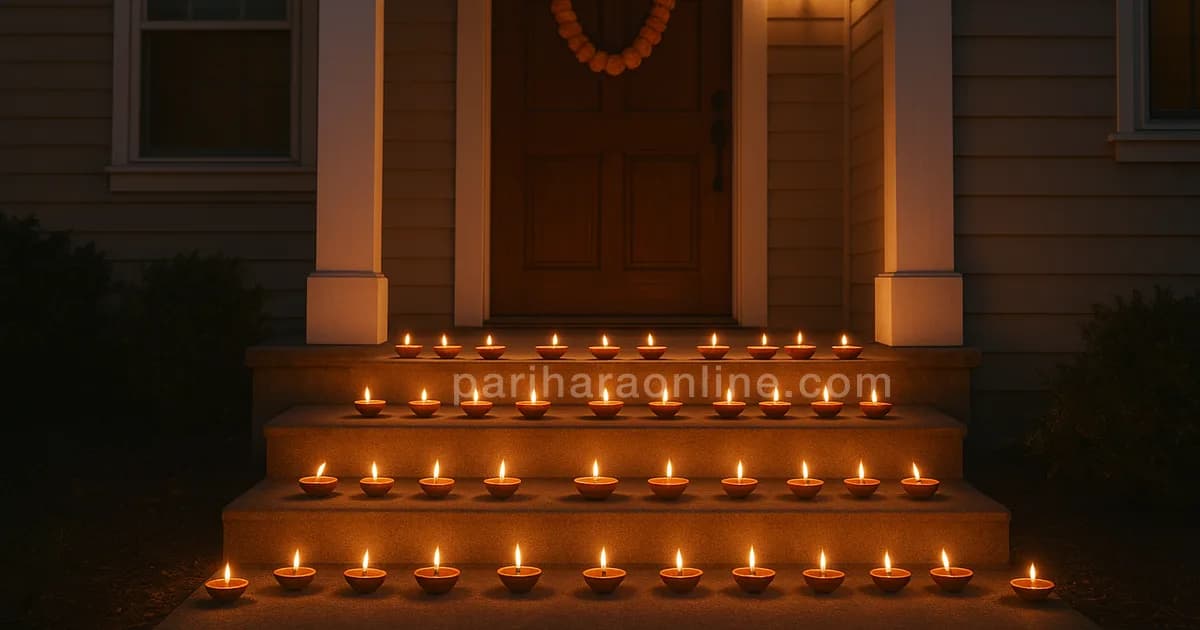
The night before, light a small lamp for Holika Dahan. It does not need to be a bonfire; there is a simple, safe way to do Holika Dahan at home with a lamp and a handful of grain. The children love dropping the grain in.
Tell the story. Prahlad, the boy who would not stop praying; Holika, who thought she could not burn; the fire that decided otherwise. The full version is in the meaning of Holi and the story of Prahlad. For younger children, act it out with a flashlight for the fire. There are more ideas like this in festival rituals for kids.
Buy gulal that is labelled skin-safe and plant-based, and ask guests to wear old clothes and sunglasses. A dab of coconut oil on the skin and hair beforehand makes cleaning up much easier.
And when friends ask what it is all about, have two sentences ready. Explaining Holi to friends is easier than it sounds; the tips on explaining Hindu festivals to coworkers work just as well at a backyard party.
Bring one new person
Here is the one small thing to carry into the next Holi. Invite one person who has never played: a neighbour, a colleague, your child's best friend's parents. Before the colour flies, tell them the story in two sentences. "A boy was saved from fire because his faith was real. The next morning, a god coloured the girl he loved, and everyone joined in." Then hand them a fistful of pink.
Questions people ask
How is Holi celebrated in the USA?
Many US temples, Indian associations and universities host Holi on the nearest weekend to the Phalguna full moon, with colour play on lawns, music, food and sometimes a small Holika bonfire where permitted. Families also mark the evening before at home with a lamp and prayer. Weather in March can be cold, so some events move to April.
How do I explain Holi to American friends?
Keep it simple: Holi is a Hindu spring festival. The night before, a bonfire recalls a boy named Prahlad whose faith protected him from fire. The next day people throw coloured powder, remembering Krishna's playfulness, and for a day age and status do not matter. Invite them to wear old white clothes and say 'Happy Holi'.
Is the colour powder used for Holi safe for skin?
Traditional gulal was made from flowers and herbs like marigold, turmeric and beetroot. Some cheaper powders today contain synthetic dyes that can irritate skin and eyes. Look for powders labelled natural or skin-safe, oil your skin and hair beforehand, protect eyes, and keep it away from young children's faces. Or make your own from turmeric and flowers.
Enjoying this?
To get more Holi posts like this, subscribe for free.
Written by
The Sunday column: festivals and rituals meeting ordinary weeks
Manikandan writes the Sunday column, where festivals and rituals meet commutes, hospital corridors and video calls with parents far away. Each piece closes with one small thing to carry into the week ahead.